Tag Archives: mythology

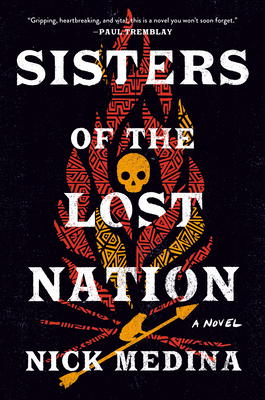
Sisters of the Lost Nation by Nick Medina

book cover

The spirit of a chief, you see, is a powerful thing. The skull became a head again when it was lifted from the grave . . . resurrected.”
“Resurrected?” she echoed.
“Alive again,” he said, his voice measured and grievously low, prolonging every word. “But not like it was before. Not like the old chief. It’s angry now that it’s been ripped from its rest. And ravenous. Hungry for revenge. It’ll eat anyone it encounters. It’ll tear flesh from bone.”
“How?” she said.
“It rolls, gathering mud and moss on its decaying flesh.”

Black bark to her sides and ash beneath her feet, she smelled the earthy odors of dirt, mud, burnt wood, and something so vile her stomach turned. It was the same smell the wind had wafted her way on the nights she’d been chased. Only the odor was stronger now. Inescapable.

Seventeen-year-old Anna Horn is terrified of two things. The first a magical, carnivorous head that gets around by rolling, and is possessed of a set of very nasty teeth. She believes it is determined to eat her. This is the result of a tale her Uncle Ray had told her ten years ago. Her terror about the rolling head permeates, as she fears its arrival every time there is a rustle in the bushes, the main difference in her experience of it being that she can flee faster at seventeen than she could at seven. The second is that she will never see her sister again. Fifteen-year-old Grace has joined the growing list of Native women gone missing.

description
Nick Medina – image from Transatlantic Agency

Anna is in the throes of that perennial challenge of the teen-years, (for some of us, this challenge can go on for decades) figuring out who she is. She is way more mature than most of us were at that age, for sure. She does not exactly dress to impress, favoring her father’s old clothes, and sporting a very unfashionable short haircut. She loves the stories of her tribe, the fictional Takodas, to the point of wanting to start a historical preservation society, to save Takoda history, myths, and traditions for future generations. The considerate and kind classmates at her mostly white school completely understand and support her efforts at self-discovery. As if. They make her school experience a living hell, taking it further than unkind words. Grace is a very different sort, desperate to fit in, wanting attention, focusing on her looks and pleasing others in order to grease the way to hanging with the cool kids. Acquiring a cell phone is the key to her potential rise, and she will do whatever she can to get the money for one.

The story flips back and forth in time, moving forward from Anna’s Day 1 in showing how events came to be, and from the day of Grace’s disappearance, showing the investigation and results. Chapters are labeled in reference to days since Anna’s story begins. Grace does not go missing until well along in those days. Chapters looking at the search for Grace are also labeled with the number of hours since her disappearance.

Medina wanted to highlight the epidemic of Missing and Murdered Indigenous Women and Girls (WWIMG) that has been devastating Native communities for a long time. He shows the all-too-familiar problems residents of tribal lands face when someone goes missing, a viper’s nest of overlapping legal jurisdictions, inadequate police funding, and official indifference among them, not to mention racism. Speaking of which Medina portrays people of all shades as less then admirable. Even the Native manager of the casino assigns Native workers based on their skin color. Fox Ballard, nephew of the tribal leader, is young, handsome, flashy, sculpted, and not at all to be trusted.

Medina pays attention, as well to the impact of modernization on traditional values. The Takoda nation has been significantly changed by the opening of a casino on the reservation. The most obvious contrast is that of Anna (traditional) vs Grace (modern). The new road offers up a steady supply of splatted frogs, a pretty clear image of the cost of replacing treasured values with treasure. Income from the casino is making its way to all the people on the rez, although it is also clear that some Takoda are more equal than others.

As explained in the Author’s note that follows the book, the inspiration for the carnivorous rolling head came from actual Wintu and Cheyenne legends. It reminded me of the relentless ungulate in Stephen Graham Jones’s The Only Good Indians, except that the elk in Jones’s tale is seeking revenge, while the head, though our only real look at it is through Anna’s terrified eyes, seems a more open opportunity attacker. Frankly, scary as it seems to her, it cannot hold a candle to Graham’s hoofed-slasher. It may have been scary to Anna as a character, but did not cause me any lost sleep as a reader.

I did feel at times that this book read more like a YA story than a fully adult one, an observation, not a black mark. The greatest strength of the novel is Medina’s portrayal of his lead, Anna. It is in seeing her social challenges, following her passions, tracking her investigative efforts, admiring her bravery, and rooting for her to mature to a point where she is comfortable in her own skin, that we come to care about her. That alone makes this a good read. The added payload, about the core issue of the book, Missing and Murdred Indigenous Women, about the impact of modernization on traditional values, about gender identity, and about the impact of story on our lives, gives it a far greater heft.

This is Medina’s first novel. He refers to it as a “thriller with mythological horror.” It is an impressive beginning to what we hope is a long and productive career.

She said Frog exemplified transformation. He entered life in one form and left it in another. From egg to tadpole, to tadpole with legs, to amphibian with tail, to tailless frog, he was never the same. He began life in water, only emerging once he was his true self. He symbolized change, rebirth, and renewal, and his spirit could bring rain.
Anna stared down at the ill-fated frog. The reservation was transforming. The asphalt beneath her feet was evidence of that. And yet the very symbol of change had become a victim of it. The absurdity didn’t escape her.

Review posted – 6/23/23

Publication date – 4/18/23

I received an ARE of book name from publisher in return for a fair review. Thanks, folks. Can you get that thing to stop chasing me? And thanks to NetGalley for facilitating.

This review is cross-posted on Goodreads. Stop by and say Hi!

=======================================EXTRA STUFF

Links to the author’s personal, Instagram, and Twitter pages

PROFILE – from The Transatlantic Agency

A Chicago native, Nick Medina is an author and college professor of public speaking and multicultural communication…Nick’s first short story was published in 2009 and he has since had dozens more published by West Pigeon Press, Dark Highlands, and UnEarthed Press, in addition to outlets in the U.S. and the U.K., such as Midwest Literary Magazine, The Washington Pastime, The Absent Willow Review and Underground Voices.

Interviews
—–Paulsemel.com – Exclusive Interview: “Sisters Of The Lost Nation” Author Nick Medina – e-mail interview
—–#Poured Over – The B&N Podcast – Nick Medina on Sisters of the Lost Nation – by Marie Cummings – video – 48:04
—–Murder by the Book – Special Prelaunch Q&A: Nick Medina Presents “Sister of the Lost Nation” by Sara DiVello – video – 33:31
—–FanFiAddict – Author Interview: Nick Medina (Sisters of the Lost Nation) by Cassidee Lanstra

Items of Interest from the author
—–Tor.Com – Excerpt
—–CrimeReads.com – EXPLORING SOCIAL ISSUES THROUGH HORROR

Items of Interest
—–Medina said that his initial inspiration for the novel was from an AP article published in the Chicago Tribune. Here is the article as published by AP – #NotInvisible: Why are Native American women vanishing? by Sharon Cohen
—–CBC – MMIWG cases continued at same rate even after national inquiry began, data shows
—– First People: American Indian Legends – The Rolling Head – A Cheyenne Legend

For horror grounded in the Native experience, I can recommend
—–Stephen Graham Jones – Mongrels
—–Stephen Graham Jones – The Only Good Indians
—–Stephen Graham Jones – My Heart is a Chainsaw
—–Stephen Graham Jones – Don’t Fear the Reaper
—–Cherie Dimaline – Empire of Wild
Leave a comment

Filed under Fantasy, Fiction, Horror, Mystery, Native Americans, Suspense, Thriller

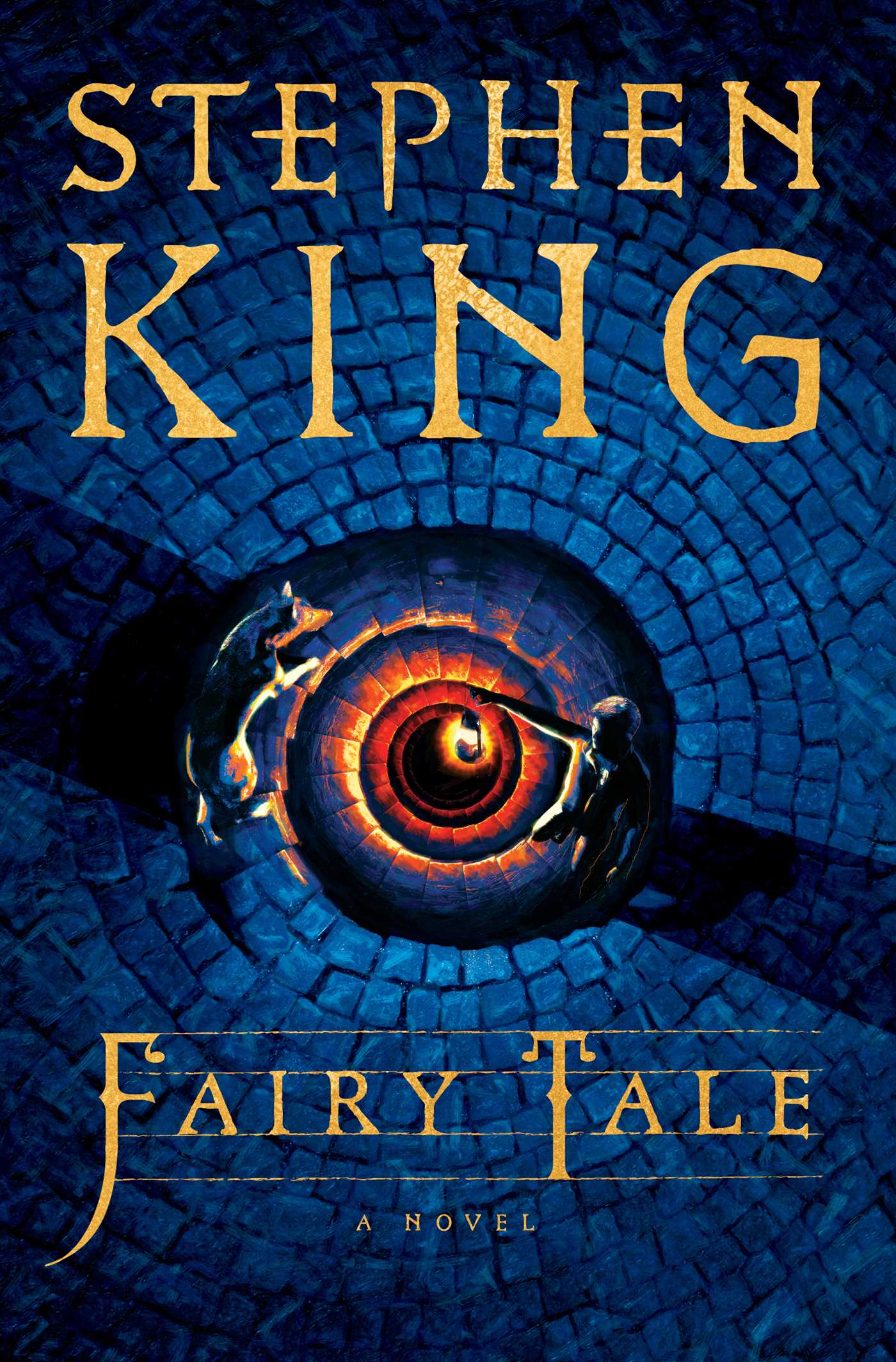
Fairy Tale by Stephen King

book cover

I’d heard of curses—the storybooks are full of them—but this was the first time I’d seen one in action.

You never know where the trapdoors are in your life, do you?

Once Upon a Time, Stephen King decided to write a fairy tale. So, bring in some Brothers Grimm, Disney, Mother Goose, add in some H.P. Lovecraft, for good measure, and plenty more, stir for a good long while in the cauldron that is SKs brain, and “Poof!” There it appears. Being Stephen King, the book is over 600 pages, so not exactly Mother Goose length.

I love all the stuff that Robert E. Howard, Conan the Barbarian and some of the characters in the Edgar Rice Burroughs books, who would find these strange deserted cities, monsters and things. I thought it’s kinda like fairy tales. And I started to kinda get interested in that, and I thought maybe I could combine those two things, Maybe I could take the whole fairy tale riff. – from the Losers Club interview

Charlie Reade is a pretty good kid. But he hit into a bit of bad luck. He was seven when Mom made the mistake of walking across a local bridge on an icy night. Soon after, dad started drinking in earnest, managed to survive in his job for three years, but was ultimately let go. After months of ever worse drinking by his dad, Charlie did something that was alien to him.

description
Stephen King – image from The Financial Times

He prayed to God to help his dad. Help arrives when Charlie is ten in the form of a former workmate introducing pop to AA. Feeling that he must hold up his end of the deal, Charlie is ever on the lookout for the task that he thinks God wants him to take care of. Years later the day arrives, and Charlie, seventeen now, steps up, saving the life of a local crank who had had a bad accident. Mr. Bowditch had more than just a foul temper and a creepy old house. He had an old German Shepherd, Radar, who loved him dearly. Charlie takes on the task of caretaking Radar and Mr. Bowditch, and fast friendships develop. Bowditch had another thing of some significance, a shed covering the entrance to a hidden world.

description
Mr. Bowditch’s house is referred to as “The Psycho House” by the locals – from the book

There comes a time (about 35% of the way in) when it is necessary for Charlie to brave that journey and the story takes off, as Charlie and Radar head down and out of this world. There is a sundial down there that can reverse-age the now-beloved dog. Charlie is determined to save her.

…these books, particularly the Edgar Rice Burroughs books, like John Carter of Mars…they’re supposed to have this hero who’s like, muscular, you know, he played football in college and at the same time he’s got a brain, he’s handsome and got a cleft chin and all that good stuff and I thought I’d like to write a character like that. I’d like to write a character, who’s big, tough, tall, strong, who’s smart, but I want to give him a dose of reality. If he’s a kid, a younger man, who as a younger kid put dogshit on a bad teacher’s windshield, and glued somebody’s ignition shut. In other words I wanted him to have an anti-Disney kind of thing in there. – from the Losers Club interview

King succeeds in giving Charlie some dark sides, but he also gives him a large dose of shame to balance it out.

Fairy Tale follows the familiar Campbellian structure of the Hero’s Journey monomyth, in which a “hero” goes on an adventure, leaving our pedestrian plane to take on challenges in a supernatural world, usually one below ours, engages in victorious battle, and returns home wiser and more powerful than when he or she left, with a newly enhanced ability to help others.

Once down below, in a world called Empis, Charlie encounters many characters who would be quite comfortable in traditional western fairy tales. It is a magical place, as one might expect. There are multiple dealings with Rumpelstiltskin-type characters, (names figure very large here) royalty disguised as commoners, sentient non-human life, (including a cricket who might remind one of another boy on a journey) and a general bleakness darkening the land. I was reminded of C.S. Lewis’s Narnia series opener, in which that troubled land was described as being “Always winter but never Christmas.” More immediate correlations might be to King’s own The Talisman, The Dark Tower, and From a Buick 8, Rose Madder, and Lisey’s Story, which all feature cross-world portals.

Charlie must face and overcome perils in this new (to him) world, in order to achieve his goal of saving Radar. But, Charlie is somehow seen by the locals as some sort of a savior, a prince. (which again reminded me of Peter in Narnia) Charlie finds this odd (who, me?) but also feels a need to help out, so does what he can. Adventure ensues, as does a relentless, and very fun series of references to fairy tales of diverse sorts. King finds his fairy tales in various places. TCM flicks are among them, Niietzsche, Dickens, Kipling, Mark Twain and Thackery, Ray Bradbury, Jung, Lovecraft, Game of Thrones, Piers Anthony, and others.

I tried to put in every goddam fairy tale I could think, including Ariel, the mermaid from the Disney film. – from the Losers Club interview

The Wizard of Oz is a particular favorite, as there are multiple references, including an emerald city, fields of poppies, and a bit on the importance of shoes.

description
Radar and Charlie – from the book

The overall structure of the novel is a frame. Chapter one is Charlie telling us that he is going to tell us a tale–so we know that he will survive–and ends with Charlie letting us know that he is a twenty-something teacher of a seminar on Myth and Fairy Tales. Each chapter is introduced by a drawing of an element to come. These are delightful, adding to the fairy-tale feel of the novel.

Gripes – Charlie keeps reminding us that he is speaking and hearing in a language other than English, a language that he seems to be absorbing by osmosis. Once the initial leap of faith had been requested, and presumably performed, these repetitions only served to remind us over and over again of that leap. Once would have been sufficient. And at 608 pages, it was definitely a bit long. I did not keep track of all the fairy tale, or other literary or filmic references sprinkled across the book, but they are legion, and spotting them offers its own form of satisfaction. Those who have read more of King’s work than I, which will be many of you, will pick up references to other King work that I missed (The Cujo reference is not missable). A weapon used here features large in a King series

There are some passing contemplations in the tale that rise above the simple experience of the plot. In one, Charlie wonders whether it is Empis that is the magical place or the world he was born into, offering some intriguing examples of why one might think that. There are more.

There are familiar Kingian elements. A young man, or boy, forms a friendship with an older man. The man has significant secrets, but teaches his mentee what he can. There is a missing parent, a young person taking on adult responsibilities, issues with alcoholism, other worlds that exist in parallel to ours, coming to terms with our darker side, and more. One primary Kingian element that is particularly appropriate here is that this is a love story. Boy meets dog, and it is love that conquers all. It is also a love letter to story, the stories King read as a kid, the stories he has continued to inhale as an adult, whether of the fairy tale, horror, science fiction or adventure sort, whether taken in from the pages of a book or from screens, large and small. We as individuals are the stories we tell about ourselves.

Our culture is defined by the stories we tell and repeat about our values and history. Story is as important to us as breathing and eating. Many of the fairy tales that King incorporates here are not, like the ones we grew up on, intended for bedtime reading to children. Mother Goose might not feel entirely comfortable with the darker pieces that King has imported into his magical kingdom (not exactly the happiest place on Earth), particularly the Lovecraftian ones, but I bet the Brothers Grimm (before Disney got its paws on their tales) would be all good with it. Whether your fairy tales begin with “Once upon a time or “A long time ago, in a galaxy far, far away…” we have always been taken with stories that transport us to other realms, whether those places are characterized by magic, darkness, bizarre landscapes, alien beings, advanced technology, or some other form of other-ness. I can’t say that once you read this you will live happily ever after but it may show you some roads you can travel to find your way there on your own, or even with a friend or two. Consider yourself transported.

As a kid, I liked all the stories by Robert E. Howard, and I liked Edgar Rice Burroughs. One of the greatest things is The Land That Time Forgot. The story starts with a narrator who finds a manuscript on the beach. The narrator says, to you, the reader, read five pages and I will be forgotten. To me, that’s what fiction’s all about. Particularly fiction where a lot of stuff happens and where you’re kind of on an adventure, and you say to yourself, What I would like to do is for my readers to forget all their problems for a while, and just relax and get totally immersed in the story and get carried away to a different world. – from the Losers Club interview

The novel has been optioned by Paul Greengrass to make a feature film, but it certainly seems better suited to a mini-series. I guess we will see.

Review posted – 05/12/23

Publication date – 9/06/22

This review is cross-posted on Goodreads. Stop by and say Hi!

=======================================EXTRA STUFF

SK’s personal and FB pages

reviews of some other books by this King
—–2020 – If It Bleeds
—–2019 – The Institute
—–2014 – Revival
—–2014 – Mr. Mercedes
—–2013 – Doctor Sleep
—–2009 – Under the Dome
—–2008 – Duma Key
—–2006 – Lisey’s Story
—–1977 – The Shining

Other King Family (Joe Hill) books I have reviewed:
—–2019 – Full Throttle
—–2017 – Strange Weather
—–2016 – The Fireman
—–2013 – NOS4A2
—–2007 – Heart-Shaped Box
—–2005 – 20th Century Ghosts

Interview
—–The Losers Club – A Stephen King Podcast
From 7:00 – 10:45

Songs/Music
—–Keen’V – Rien Qu’une Fois

Item of Interest from the author
—–Stephen reads an excerpt from Chapter 15

Items of Interest
—–Esquire – In Fantasy, Stephen king Gets Personal by Jonathan Russell Clark –Lark offers a fascinating take on some common threads in nis fantasies
—–Booktrib – A Fairy Tale Worthy of a King – by McKenzie Tozan
he finds himself questioning which world is real, and which world is the fairy tale.
—–Wikipedia – Hero’s journey
—–Tor – Breaking Down the Fairy Tale Elements in Stephen King’s Fairy Tale by Rachel Ayers
Ayers goes through the mushy borders between fairy tale, folklore and mythology.

Leave a comment

Filed under Fantasy, Fiction, Horror

Stone Blind by Natalie Haynes

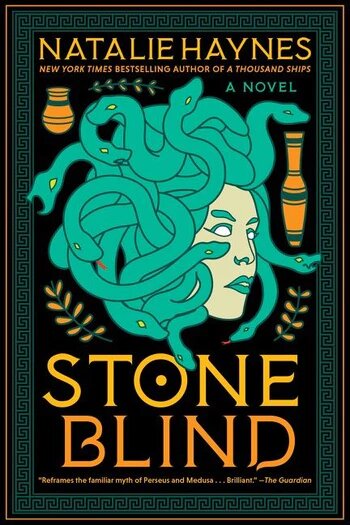
book cover

Perseus…has no interest in the well being of any creature if it impedes his desire to do whatever he wants. He is a vicious little thug and the sooner you grasp that, and stop thinking of him as a brave boy hero, the closer you’ll be to understanding what actually happened.

Who decides what is a monster?

When Natalie Haynes wrote Pandora’s Jar, a collection of ten essays on the women in Greek myths, she included a chapter on Medusa. In nine-thousand words she offered a non-standard view of the story of heroic Perseus slaying the gorgon. But the story stayed with her, well, the rage about the story of how ill-treated this supposed monster had been, anyway. If the feeling remained that powerful for so long, it was a message. She needed to devote a full book to this outrage in order to get any peace. Thus Stone Blind.

description
Natalie Haynes – image from Hay Festival

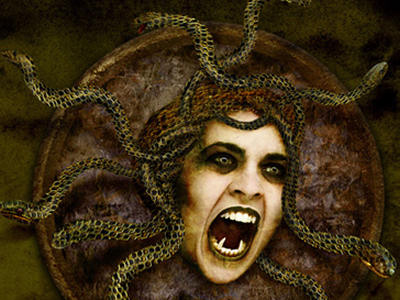
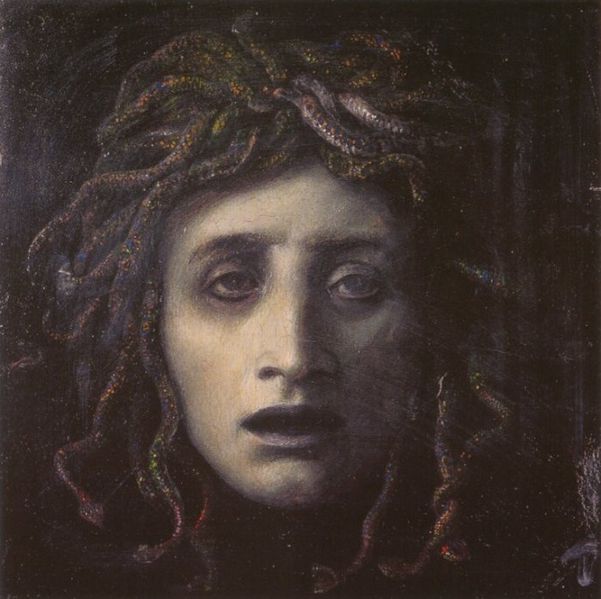
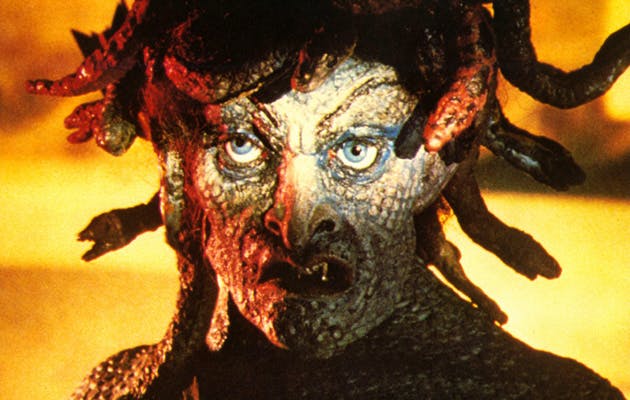
We learn how Medusa came by her notable do. After being sexually assaulted by Poseidon in one of Athena’s temples, the goddess was appalled. No, not by the rape. I mean a god’s gotta do what a god’s gotta do. But that he raped Medusa in Athena’s temple! Desecration! Well, that cannot go unpunished. So, Athena seeks revenge on Poseidon by assaulting Medusa, figuring, we guess, that this might make Poseidon sad, or something. Uses her goddess powers to turn Medusa’s hair to snakes and her eyes to weapons of mass destruction. Any living creature she looks at will be lithified.

description
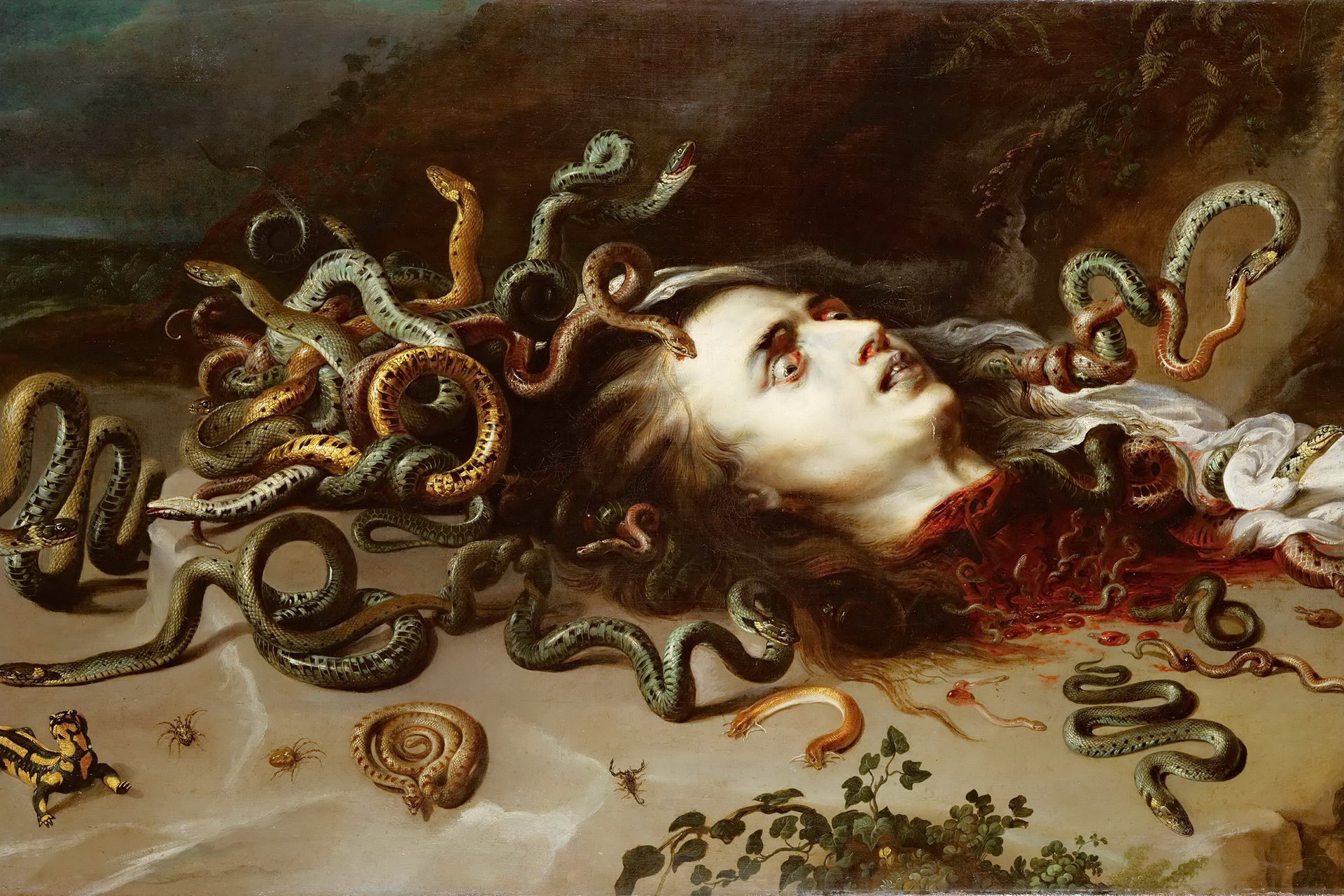
Image from Mythopedia – Head of Medusa by Peter Paul Rubens – 1618

Then there is the other half of this tale, Perseus. We are treated to his dodgy beginnings, another godly sexual assault. He is not portrayed here as the hero so many ancient writings proclaim. Decent enough kid, living with his mom, Danae, and a stepfather sort, until mom is threatened with being forcibly married to the local king, a total douche. Junior tries to make a deal to get her out of it, said douche sending him on a seemingly impossible quest. Good luck, kid. I mean, seriously, how in hell can he hope to bring back a gorgon’s head?

description
Image from Ancient Origins

Zeus feels a need to help the kid out. I mean, Perseus may be a bastard, but hey, in Greek mythology, that would put him in the majority. Am I right? Still, he is Zeus’s bastard, so Pop does what he can to help him out, sending along two gods to coach and aid the lad as needed. Hermes and Athena snark all over Perseus, pointing out his many weaknesses and flaws, while providing some very real assistance. They may not hold the kid in high regard, but neither can they piss off the boss. Very high school gym, and totally hilarious.

description
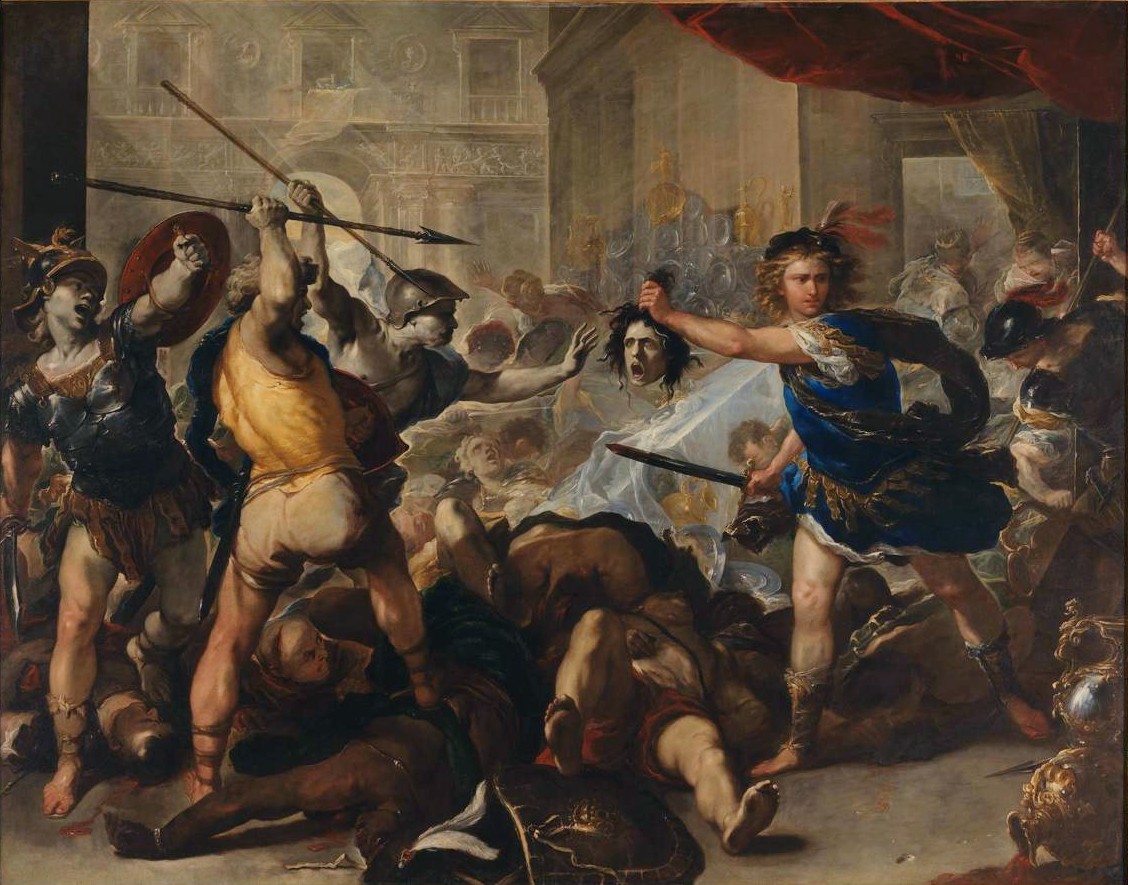
Image from Wiki – Perseus Turning Phineus and his followers to stone by Luca Giordano – 1680s

Which should not be terribly surprising. Haynes is not just an author and classicist, but a stand-up comedian. You can glean what you need to know about her comedic career from the Historical Archivist interview linked in EXTRA STUFF. There is plenty of humor beside godly dissing of Perseus. Athena (referred to as Athene in the book) tries to talk an unnamed mortal into signing on to a huge battle between the Olympian gods and the Giants, new powerhouse versus the current champs. It is clearly a tough sell.

‘If you get trodden on by a giant or a god – which wouldn’t be intentional on our part, incidentally – but in the heat of battle one of us might step in the wrong place and there you’d be. . . . Well, would have been. Anyway, it would be painless. Probably very painful just before it was painless, but not for long.’… ‘Come on. If you do die, I’ll put in a word for you to get a constellation. Promise.’

There are plenty more like these, including a particularly shocking approach to relieving a really bad headache.

description
Image from Scary For Kids (reminds me of the nun I had for eighth grade)

But the whole quest experience uncovers Perseus’s inner god-like inclinations. He becomes an entitled rich kid with far too many high-powered connections helping him out. And develops a taste for slaughter. When Andromeda sees a knight in shining armor, come to save her from certain death by sea monster, her parents suggest that “Maybe, Sweetie, you might consider how gleeful he was when he was murdering defenseless people?” Or noting that if he had really been solid on keeping promises he might have headed straight home to save his mom with that snaky head instead of stopping off to frolic in blood for a few days. “This boy’s gonna be trouble, Andy.”

description
Image from Classical Literature

The gods have issues. The Housewives of Olympus could well include some unspeakable husbands, who seem to have a thing for forcing themselves on whomever (or whatever) catches their eye. As a group they are always on the lookout for slights, insults, or minor border transgressions. What a bunch of whiny bitches! But with power, unfortunately, to make life unspeakable for us mere mortals, whose life expectancy is not even a rounding error to their eternal foolishness. Medusa, in that way, was one of us. There is uncertainty about Perseus.

description
Image from Talking Humanities

Sisters abound. Apparently, triple-sister deities was a thing for the ancient Greeks. We are treated to POVs from Medusa’s two gorgon sibs, and look on as Perseus hoodwinks the three hapless Graiai sisters, who are doomed to having to share a single eye and a single tooth among them. (Could you please wipe that thing off before you pass it along?) The Nereids are more numerous (50) and a bit of a dark force here.

description
From Greek Legends and Myths – by Arnold Böcklin (1827–1901)

Never one to stick to a single POV, Haynes offers us many discrete perspectives over seventy-five chapters. Fifteen are one-offs. The Gorgoneion leads the pack with thirteen chapters, followed by Athene with eleven, Andromeda with eight and Medusa with seven. There are some unusual POVs in the mix, a talking head (no, not David Byrne), a crow, and an olive tree among them. Haynes dips into omniscient narrator mode for a handful of chapters as well.

description
Image From Empire

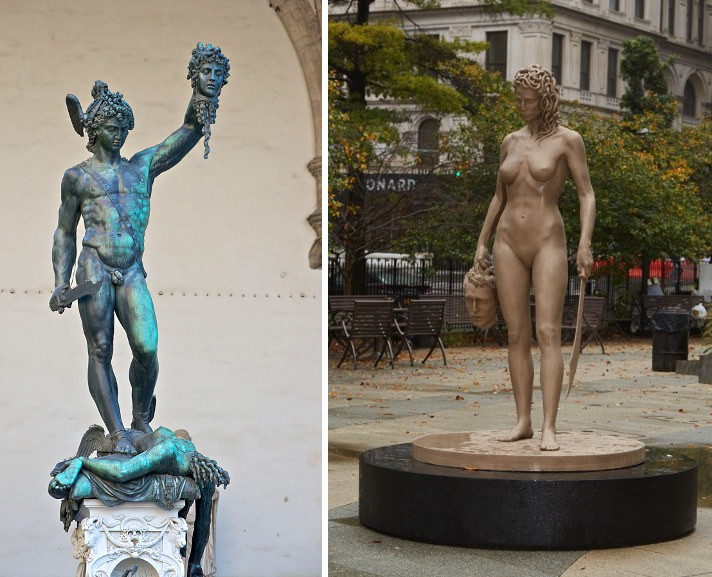
As noted in EXTRA STUFF, there is a particularly offensive sculpture of Perseus holding Medusa’s severed head. Not only has he murdered her, he is standing on her corpse. You can see how this would piss off a classicist who knows that Medusa never hurt anyone. Damage done by her death-gaze was inadvertent or done by others using her head as a weapon. And this supposedly brave warrior killed this woman in her sleep. Studly, no? And with all sorts of magical help from his father’s peeps. What a guy!

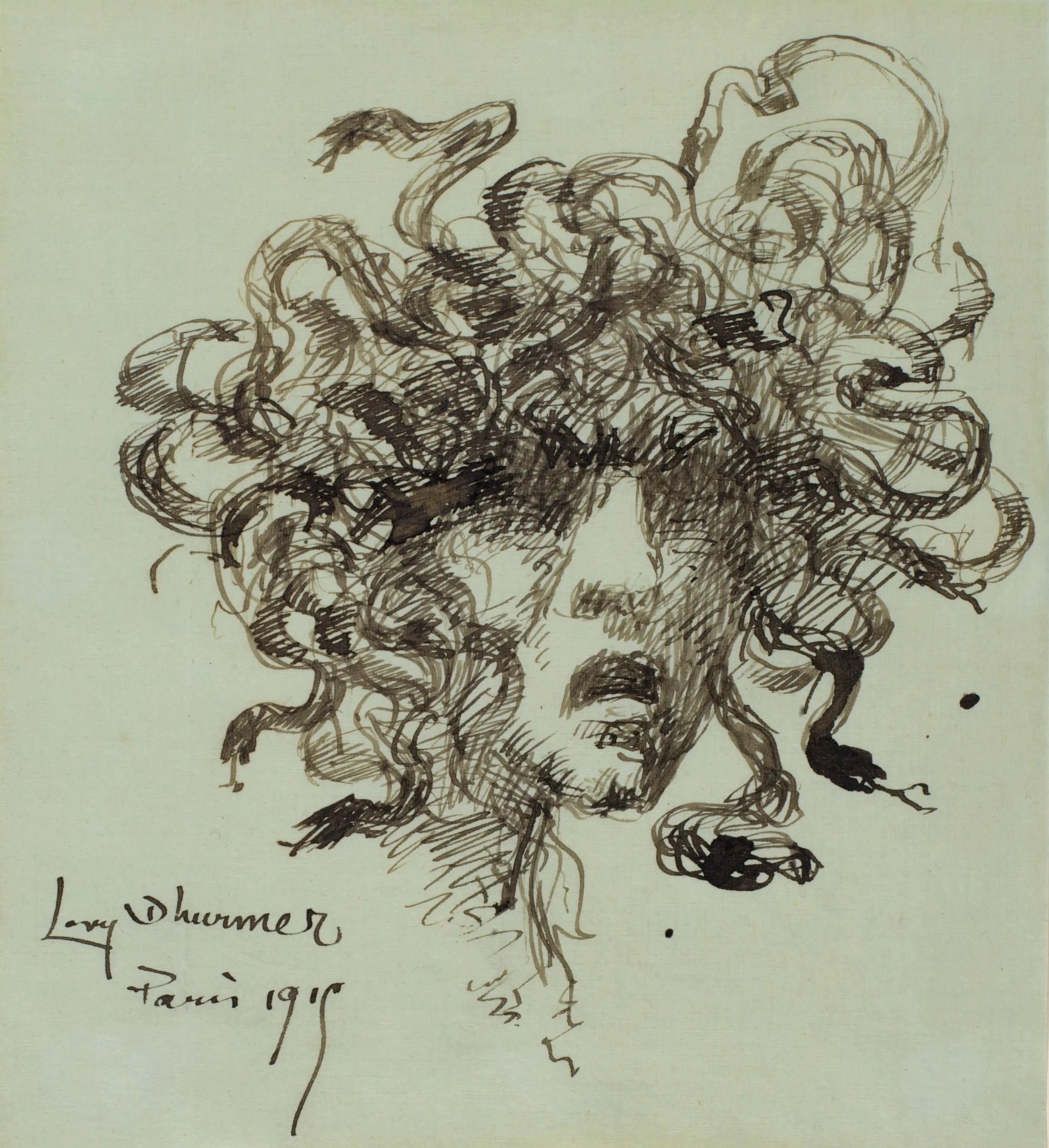
description
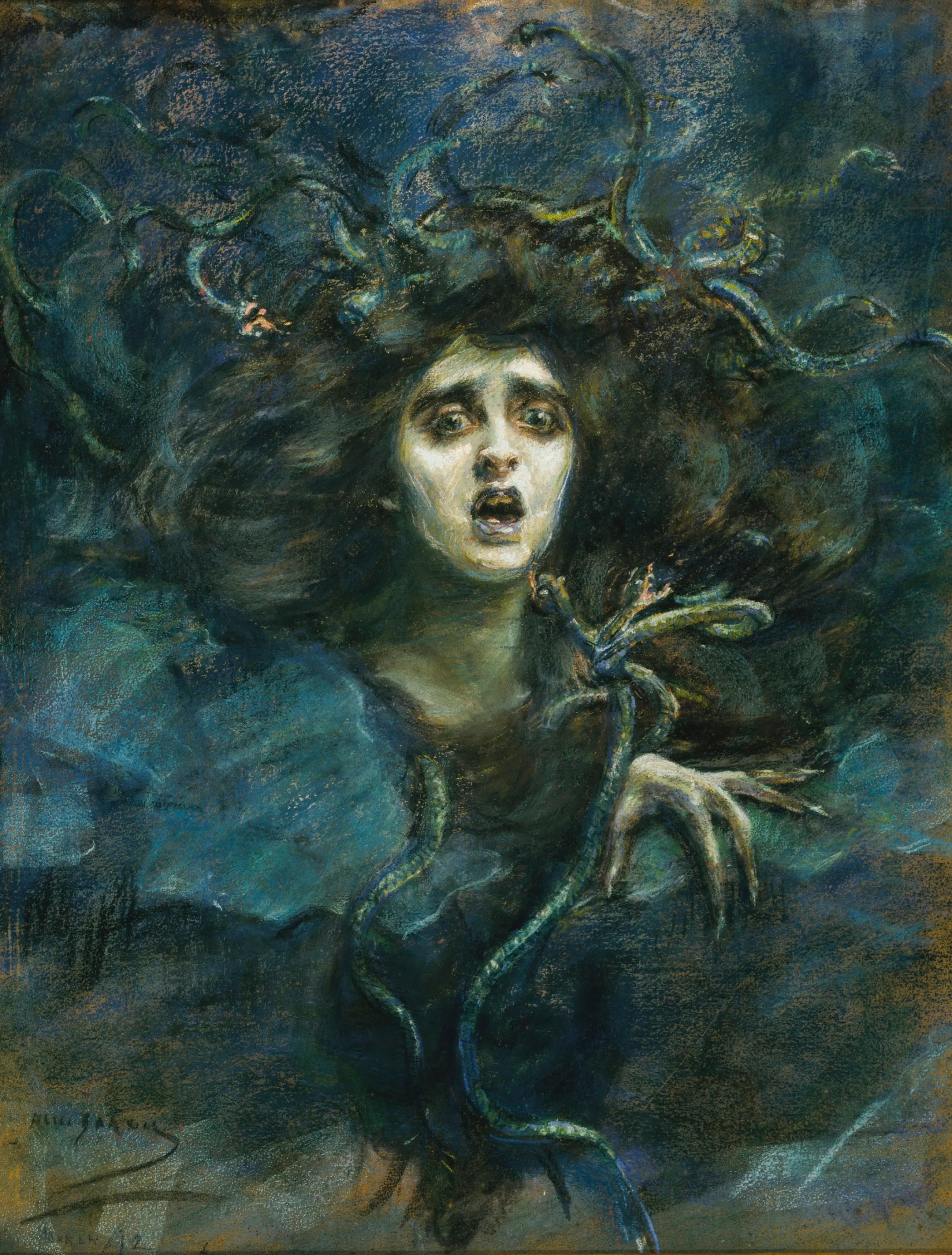
Image from Smithsonian American art Museum – by Lucien Levy-Dhurmer – 1915

Natalie Haynes set out to tell Medusa’s story, and it is completely clear by the end that the monstrosity here is the treatment this innocent female mortal received, at the hands of abusers both male and female. Haynes keeps the story rolling with the diverse perspectives and short chapters, so that even if you remember most of the classic myth there will be plenty of mythological history you never knew. You will also laugh out loud, which is a pretty good trick for what is really a #METOO novel. The abuse of the powerless, of women in particular, by the powerful has been going on only forever. Haynes has made clear just how the stories we have told for thousands of years reinforce, and even celebrate, that abuse. Next up for her, fiction-wise, is Medea. I can’t wait.

description
Image from Smithsonian American Art Museum – by Alice Pike Barney – 1892

Medusa may not have been a goddess, but it seems quite clear that Natalie Haynes is. This is a wonderful read, not to be missed.

He’s just a bag of meat wandering round, irritating people.’

Review posted – 02/24/23

Publication dates – Hardcover
———-UK – September 15, 2022 Mantle
———-USA – February 7, 2021 – Harper

This review has been cross-posted on GoodReads. Stop by and say Hi!

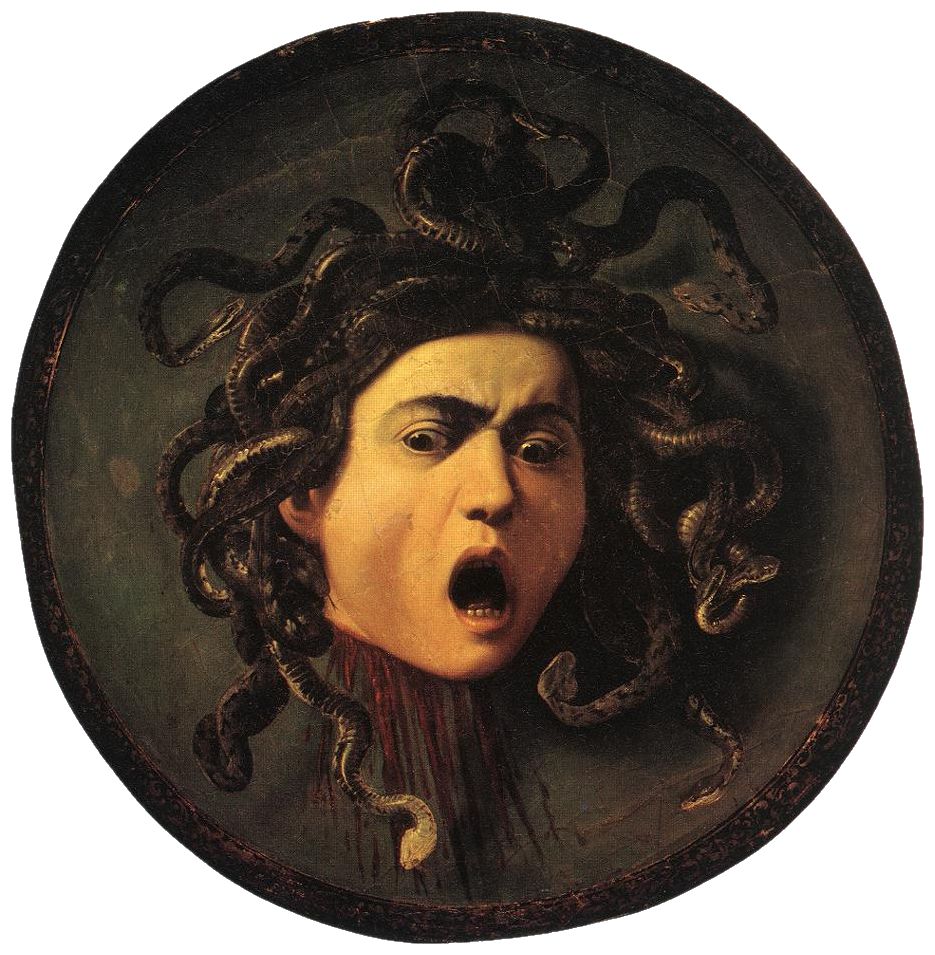
description
Image from Wiki by Caravaggio – 1597

=======================================EXTRA STUFF

Links to the author’s personal, Twitter and Instagram pages

Interviews
—–The Bookseller – Natalie Haynes on challenging patriarchal historical narratives and championing female voices by Alice O’Keeffe
—–CBC – Natalie Haynes on the fantastic and fearsome women of Greek myth
—–LDJ Historical Archivist – Brick Classicist of the Year 2023 Natalie Haynes – video – 16:46 – this is delicious
—–Harvard Bookstore – Natalie Haynes discusses “Stone Blind” – video 1:03:55 – – This is amazing! So much info. You will learn a lot here.

My review of other work by the author
—–2021 (USA) – A Thousand Ships – Helen of Troy and the women of the Homeric epics

Items of Interest
—–Wiki on Gorgoneion
—–The Page 69 Test – Stone Blind – a bit of fluff
—–Widewalls – An Icon of Justice – Or Something Else? A New Medusa in a NYC Park – interesting contemporary sculptural response to a classical outrage.

description
Left: Benvenuto Cellini – Perseus holding the head of Medusa, 1545–1554. Image creative commons / Right: Luciano Garbati – Medusa With The Head of Perseus, 2008-2020. Installed at Collect Pond Park. Courtesy of MWTH Project – images and text from Widewalls article
The MWTH (Medusa with the head) image is sometimes accompanied by the ff: “Be thankful we only want equality and not payback.”

Leave a comment

Filed under Fantasy, Feminism, Fiction, Historical Fiction, Literary Fiction