Category Archives: Fantasy

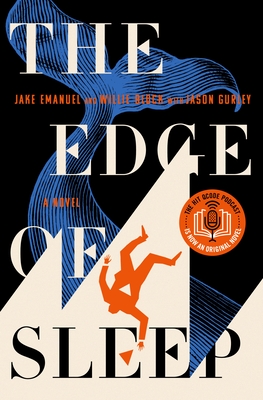
The Edge of Sleep by Jake Emanuel, Willie Block and Jason Hurley

book cover

Here’s what I can say with some certainty. Something is happening. Case in point: WZPE’s AM news show usually ends at 8am. Not today. They’ve basically got the phone lines wide open, and people are calling in by the hundreds. The last caller just sobbed, “They’re dead, they’re dead, they’re dead,” and disconnected.
There are TV and radio stations all over the state that just . . . aren’t on the air at all.
From my window, if I elevate my chair, I usually have a great view of the mile-long gridlock at the intersection of Monaghan and Wolcott. The traffic lights there aren’t even working, but the intersection’s just . . . dead. No cars that I’ve seen.
Usually by now my upstairs neighbor is jazzercising. But the whole building is strangely subdued. I haven’t heard a single other person.
Perhaps it’s my overactive imagination . . . but I really don’t think that’s the case.
If you have any information about what might be happening, I’ll see you in the comments.
—Posted by Eli Broder, 7/4/25 9:12am

Dave Torres is a security guard at Daxalab. He and his co-worker and best friend, Matteo Leon, are having a bad night. After their shift they head, quite late, to a party only to find the guests mostly gone already. Of course, some are more gone than others. Like the one on the couch whom they had thought was passed out. Turns out he had passed on. Dave goes looking for their host only to find him in bed, in no better shape than the couch stiff. What is going on? And why are the roads so empty?

description
Willie Block and Jake Emanuel – image from Deadline.com

Off to the hospital they head, to see that the bodies are handled, or, out of the frying pan…The body count there is impressive, and growing. They meet a tough nurse, Linda, who is doing her best to keep it all together, but things are clearly falling apart. Dave gets that sleep is the trigger and desperately calls his ex to warn her. Katie finally joins them.

A large room, lined with storage bins and shelves, has been transformed into a morgue. Shoved along the west wall are gurneys bearing zippered white bags. Human-sized bags, arranged haphazardly, as though they were rolled into the room and released to drift where they may. Which is exactly what happens next: An orderly in a white smock bangs into the room through an adjacent door, back first, then drags a fresh gurney into the room, pivots, and releases it, sending it spinning across the floor. It thumps into another gurney, and both roll in separate directions. The orderly, not pausing to admire his handiwork, disappears through the door again.

So we have a small group that sets out to decode the situation. There is a separate pair. Eli Broder (of the opening quote) is confined to a wheel chair. Boston is quiet, too quiet. His online messages begging for information on what is happening receive scant response. Millie is a narcoleptic coder, in the process of being fired from her job, who finally responds. She goes to him and they face the situation together.

description
Podcast episode 3 – the Black Triangle – image from Markiplier Wiki

These are our two primary threads. Third is a lookback for Dave to events from this childhood. He has had sleep issues all his life, for which he has received some serious medical intervention. His miseries include nightmares about an elephant and a whale since he was a kid. When his dreams slip into the waking world, his life becomes seriously troubled.

They all figure out in short order that going to sleep is a bad idea. To sleep, perchance to dream? Nah. More like to sleep, perchance to die. Each group goes through challenges in progressing to understanding, and getting, geographically, from where they are to where they want to be. Ergo, road trips. During these, we get more insight into the characters. As they begin to glean some truths behind the sleep-bomb that appears to be wiping out humanity, it becomes harder and harder to function, even to think, as their fatigue become profound. How long can the primaries remain awake? Where can they find answers to the why and how of it all? Even if they find answers will they retain consciousness enough to actually do anything about it?

description
Podcast episode 6 – The Dream – image from Markiplier Wiki

The story is set, primarily, in Santa Mira, California. No, it is not a real place, but it may, still, sound familiar. That is because the fictional place has been used in many films.

Santa Mira felt like a fun nod to Invasion Of The Body Snatchers, a huge influence on the show. And we think it’s a cool tradition that many writers and creators have used the same town. – from Paul Semel interview

The 1956 version of Invasion was set in Santa Mira, as was E.T., a Dean Koontz novel, Phantoms, and several Sharknado sequels.

Edge all began with an eight-episode podcast, the first season airing in 2019. I have listened to some of the podcast, although not all of it, reluctant to spoil the read. There is a link to that in EXTRA STUFF. It was adapted for TV, filmed in Vancouver in 2021. I was unable to find definitive intel on where that might be available. A second podcast season is slated for release this year (2023). Emanuel and Block, authors of the podcast, already rewrote the podcast for the TV series, and with this novel, it is yet another version. They tried to keep it fresh with each rewrite. They even brought in a fresh set of eyes in Jason Gurley to help out. To keep themselves sane, they made changes with each rewrite, so you can expect that this book is not slavishly attached to the original podcast.

After working on The Edge Of Sleep for so long, and in so many different iterations, we needed a fresh set of eyes. Jason had some really creative and cool ideas to expand the story. – from the Paul Semel interview

The authors include a considerable list of one-off characters who struggle with fatigue, and succumb. Were they added for texture, or to establish them for future episodes?

description
Podcast episode 7 – The Pit – image from Markiplier Wiki

The main characters had at least a bit of depth to them, but only Dave was really developed enough to hold much interest. On the other hand, if one looks at this as the first part of a longer series, it is usual to introduce the characters and plan on developing them later.

There are elements that are creative and intriguing, having to do with dreaming, sleep disorders, and things too spoilerish to note here. On the other hand, there are some significant downsides. First is that the ending, while offering some resolutions, feels like too much of a cliffhanger. Explanations were interesting but far too sketchy. If you are interested in continuing on with this series, by all means, dive in. But if you are looking at The Edge of Sleep as a stand-alone read, you are likely to be very disappointed. The characters had a bit of depth to them, but only Dave was really developed enough to hold much interest. On the other hand, if one looks at this as the first part of a longer series, which it certainly is, it is usual to introduce the characters first and develop them later on. While it had conceptual bits that were satisfying, my bottom line on The Edge of Sleep was that it was a bit of a snooze.

“Mama,” Davy, the child, moans.
“This is your fault,” the beast says. Its trunk searches out Davy’s face, presses slick against his cheek, exhales hot, sour breath into his hair. “I warned you, didn’t I.”
Davy looks down at his pajama shirt. Something beneath bulges. Utter panic consumes him as he clutches at his shirt, trying to hold it away from his skin. He looks wildly at the thing above him.
“I can’t stop it now,” the elephant grunts. Its mouth unhinges, and a thick river of mustard-colored bile streams onto Dave’s legs. “I wouldn’t if I could. You aren’t a good boy.”
Davy, blinded by pain, cups his hands over his chest in time to catch the small elephant that bursts from his breastbone. Yellow foam rises in Dave’s throat; he can’t clear it to breathe.
The small elephant stretches in Davy’s little palms, glistening and damp. Davy’s vision blurs; he’s suddenly terribly sleepy, and his hands fall limp.

Review posted – 07/28/23

Publication date – 06/23/23

I received an ARE of The Edge of Sleep from St. Martin’s Press in return for a fair review. I was able to get some shut-eye between reading sessions. Thanks, folks, and thanks to NetGalley for facilitating.

This review is cross-posted on Goodreads. Stop by and say Hi!

=======================================EXTRA STUFF

Jake Emanuel’s Instagram, and Twitter pages

Willie Block’s FB, Instagram, and Twitter pages

Interviews
—–PaulSemel.com – Exclusive Interview: “The Edge Of Sleep” Co-Authors Willie Block & Jake Emanuel
—–Red Cow Entertainment – Discount Film School – Jake Emanuel and Willie Block, on Screenwriting with Frankie Frain

Item of Interest
—–Season 1 of the show, entire

Leave a comment

Filed under Fantasy, Fiction, Horror, Mystery, Sci-fi, Thriller

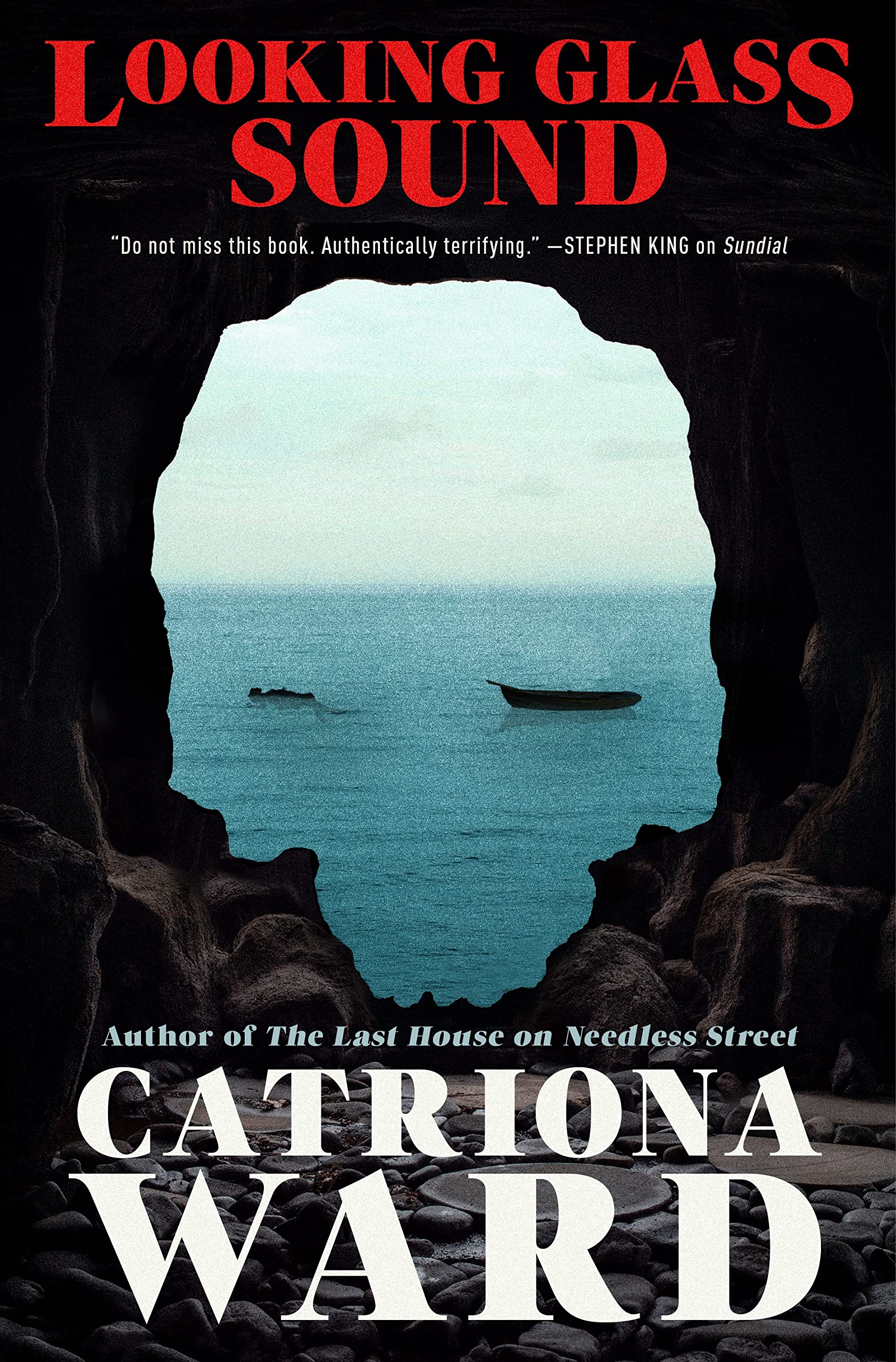
Looking Glass Sound by Catriona Ward

book cover

The sea whispers, faint. It sounds like pages shuffling. A seal barks. I lick a finger and test the breeze. The wind is in the east. A moment later it comes, mournful and high. The stones are singing and I feel it, at last, that I’m home. I listen for a time, despite my tiredness. I think, if heartbreak had a sound, it would be just like this.

She can smell him the way wild animals smell prey.

The visions don’t frighten me anymore. I can usually tell what’s real and what isn’t.

Don’t get comfortable.

Wilder Harlow has returned to the cottage where he stayed as a teen, to write the book he had started over three decades before. He is not entirely well. We meet him in 1989, via his unpublished memoir, which tells of the momentous events of that Summer. He was sixteen. His parents had just inherited a cottage from the late Uncle Vernon, and opt to spend a summer there before deciding whether to sell. It is on the Looking Glass Sound of the title, near a town, Castine, in Maine. Beset in prep school, for his unusual features, particularly pale skin and bug eyes, Wilder is ready for a novel experience. (“I’m looking at myself in the bathroom mirror and thinking about love, because I plan on falling in love this Summer. I don’t know how or with whom.”)

description
Catriona Ward – image from Love Reading

The sound has an unusual…um…sound.

The leaves of the sugar maple whisper—under it, there’s a high-pitched whine, a long shrill note like bad singing…it sounds like all the things you’re not supposed to believe in—mermaids, selkies, sirens…’What’s that sound?’ It seems like it’s coming from inside of me, somehow. Dad pauses in the act of unlocking the door. ‘It’s the stones on the beach. High tide has eaten away at them, making little holes—kind of like finger stops on a flute—and when the wind is in the east, coming over the ocean, it whistles through.’

Sure, dad, but the wind-driven whistling is not the only sound that haunts in these parts.

It does not take long for Wilder to make two friends. Nathaniel is the son of a local fisherman, his mother long gone. Harper is English, her well-to-do parents summer there. Wilder’s relationships with these two will define not only this Summer and the one after, but the rest of his life. Harper is a flaming redhead, with issues. She has been kicked out of many schools, for diverse crimes. So, of course, Wilder is madly in love with her at first sight. Nat, a golden boy in Wilder’s eyes, has a way of describing fishing with a harshness that is unsettling. The three form their own tribe for a time.

Pearl is named for her mother’s favorite jewel. She was only five when mom disappeared. They had been staying at a B&B in Castine. But Pearl’s mother is far from forgotten.

Sometimes her mother talks to Pearl in the night. She learns to keep herself awake, so she can hear her. It always happens the same way. Rebecca’s coming. It starts with the sound of the wind roaring in Pearl’s head, just like that day on the mountain. And then Rebecca’s warm hands close over her cold ears.

The area has a local creep. Dagger Man is the name assigned to whoever is responsible for a series of break-ins of homes occupied by Summer people. He takes photos of kids sleeping. Then sends the polaroids to the parents.x The images include a dagger to the throat. Adding to the creepiness, there is a history of women going missing here. And a legend of a sea goddess luring people to a dark end.

The second summer in Castine, there is an accident in a secret cave, involving Wilder, Nat, and Harper. It leads to a very dark, traumatic discovery, upending their worlds.

When Wilder heads off to college, soon after, he is intent on becoming a writer, but, while there, his closest friend, Sky, steals his story, going on to publish a wildly successful novel using it. Wilder is never able to get past this, thus his final return to the source a lifetime later, to have one last go at writing his true version.

Ward employs some of the usual tricks of creating a discomfiting atmosphere. The sounds emanating from the bay are strong among these. Even underwater I can still hear the wind singing in the rocks. And I hear a voice, too, calling. In describing Harper, Wilder notes Her hair is deep, almost unnatural red, like blood. And The wet sand of the bay is slick and grey. It’s obscene like viscera, a surface that shouldn’t be uncovered. (Well, ok then. Which way to the pool?) Nat describing how his father kills seals is pretty chilling.

Ward has had some eerie experiences,

I suffer from hypnagogic hallucinations. They started when I was about 13, taking the form of a hand in the small of my back as I was falling asleep, shoving me out of bed really hard. I knew there was someone in the room and I knew they didn’t mean me well. With the information I had at the time – pre-Google as well – there was no other explanation for it, was there? I think it’s probably the deepest chasm I have ever looked into. There’s nothing comparable to it in the daylight world. – from the 9/26/22 Guardian interview

which find their way into the story.

So, there are two presenting mysteries, Dagger Man and the missing women. And a bit of magic in the air, whether it is a dark siren luring some to a watery grave, mysterious noises and notes, or teens fooling around with witchy spells. Are the kids just being imaginative, or is there something truly spectral going on?

A feeling of powerlessness is core to the horror genre. The main characters here share a deep sense of vulnerability. This is very much a coming-of-age novel. Adolescence is a prime vulnerable state, a transition between childhood and the mystery of adulthood. Not knowing who you are. Trying on different roles, names, behaviors, hoping for love, of whatever sort, always susceptible to rejection and/or betrayal, and/or disappointment. There is added vulnerability with their families. Any teen going through changes would benefit from a solid base of parental constancy. Wilder’s parents are going through more than just a rough patch. Nat does not seem particularly close to his only parent. Harper refers to a pet dog that protects her from her father. There are enough secrets in the world. Bad families, bad fathers. Pearl’s mother, like Nat’s, is long gone. In addition to whatever else assails them, there is self-harm.

The Dagger Man is wandering about. People disappear. The bay has disturbing aspects to engage all the senses. There are a few more stressors, as well. That certainly sets the stage for an unsettling horror tale. That would all be plenty. But wait, there’s more.

Some books have unreliable narrators This one has an unreliable ensemble, existing in unreliable worlds. Looking Glass Sound is not your usual scare-fest. The terrors here lie deeper than a slasher villain or a vengeful ghost. In addition to the external frights, these have to do with existential concerns, about identity, who, what, where, and when you are. Offering the sorts of thoughts that can interfere with a restful night, with the legs to disturb your sleep for a long time. This would be more than enough, but wait.

This is also a book about writing. A pretty common element in many novels, it’s on steroids in this one, cruising along in the meta lane.

Writers are monsters, really. We eat everything we see.

The book is a mirror and I am stepping through the looking glass.

‘Writing is power,’ she says. ‘Big magic. It’s a way of keeping someone alive forever.’

I think about our three names, us kids, as we were. ‘Wilder,’ I whisper to myself sometimes. ‘Nathaniel, Harper.’ We’re all named after writers. It’s too much of a coincidence. Harper. Wilder. Harlow. The names chime together. The kind of thing that would never happen in real life but it might happen in a book.

‘You wanted to live forever,’ Harper says gently. ‘You both did, you and Wilder. That’s all writers really want, whatever they say.

She also gets into the morality of story ownership. When does your personal tale become a commodity? Who has the right to tell your story?

I cannot say I have ever read a book quite like this one. It is not an easy read. Despite some surface technique that places it in the gothic/horror realm, there is a lot more going on here. You will have to be on top of your reading game to keep track, but it will be worth your time and studied attention. There should be surgeon general’s warning on this book. Stick with it and you will get a very satisfying read, and endure many nights of unwelcome wondering.

I wake to the sound of breath. No hand caressing me, this time. Instead I have the sense that I am being pummeled and stretched, pulled by firm hands into agonizing, geometrical shapes. I scream but no voice comes from my throat. Instead, an infernal scratching—horrible, like rats’ claws on stone, like bone grinding, like the creak of a bough before it breaks. Or like a pen scratching on paper.

Review posted – 7/21/23

Publication date – 08/08/23

I received an ARE of Looking Glass Sound from Tor/Nightfire in return for a fair review. Thanks, folks, and thanks to NetGalley for facilitating. Can you please turn down the volume on that thing?

This review is cross-posted on Goodreads. Stop by and say Hi!

=======================================EXTRA STUFF

Profile – from Wikipedia
Catriona Ward was born in Washington, D.C. Her family moved a lot and she grew up all over the world, including in the United States, Kenya, Madagascar, Yemen, and Morocco. Dartmoor was the one place the family returned to on a regular basis. Ward read English at St Edmund Hall, Oxford. Ward initially worked as an actor based in New York. When she returned to London she worked on her first novel while writing for a human rights foundation until she left to take an MA in creative writing from the University of East Anglia. That novel, Rawblood (distributed in the United States as The Girl from Rawblood), was published in 2015. Now she writes novels and short stories, and reviews for various publications.[1] Ward won the August Derleth Award for Best Horror Novel in 2016 …and again in 2018 for Little Eve, making her the first woman to win the prize twice.
Her most successful novel has been The Last House on Needless Street.

Links to Ward’s FB and Instagram pages

Interviews
—–The Guardian – 9/26/22 – Catriona Ward: ‘When done right, horror is a transformative experience.’ by Hephzibah Anderson
—–The Guardian – 3/13/21‘Every monster has a story’: Catriona Ward on her chilling gothic novel by Justine Jordan
—–Lit Reactor – Catriona Ward: Learning to Fail by Jena Brown
—–The Big Thrill – 8/31/2021 – Up Close: Catriona Ward by April Snellings
—–Tor/Forge – Catriona Ward – What Was Your Inspiration for Looking Glass Sound?
—–Books Around the Corner – Catriona Ward by Stephanie Ross
—–Quick Book Reviews – Episode 206 – April 24, 2023 – Books! Boks! Books! from 26:06 to 42:30

Items of Interest
—–The Novelry – 10/2/2022 – Catriona Ward and the Power of Writing Horror
—–NHS – Charles Bonnet syndrome

Leave a comment

Filed under Fantasy, Fiction, Horror, Literary Fiction, Mystery, psycho killer, Suspense, Thriller, Thriller

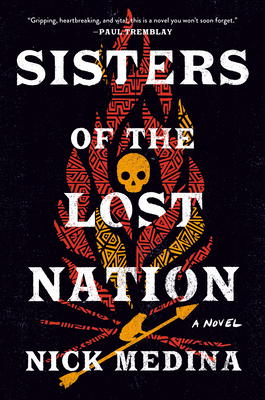
Sisters of the Lost Nation by Nick Medina

book cover

The spirit of a chief, you see, is a powerful thing. The skull became a head again when it was lifted from the grave . . . resurrected.”
“Resurrected?” she echoed.
“Alive again,” he said, his voice measured and grievously low, prolonging every word. “But not like it was before. Not like the old chief. It’s angry now that it’s been ripped from its rest. And ravenous. Hungry for revenge. It’ll eat anyone it encounters. It’ll tear flesh from bone.”
“How?” she said.
“It rolls, gathering mud and moss on its decaying flesh.”

Black bark to her sides and ash beneath her feet, she smelled the earthy odors of dirt, mud, burnt wood, and something so vile her stomach turned. It was the same smell the wind had wafted her way on the nights she’d been chased. Only the odor was stronger now. Inescapable.

Seventeen-year-old Anna Horn is terrified of two things. The first a magical, carnivorous head that gets around by rolling, and is possessed of a set of very nasty teeth. She believes it is determined to eat her. This is the result of a tale her Uncle Ray had told her ten years ago. Her terror about the rolling head permeates, as she fears its arrival every time there is a rustle in the bushes, the main difference in her experience of it being that she can flee faster at seventeen than she could at seven. The second is that she will never see her sister again. Fifteen-year-old Grace has joined the growing list of Native women gone missing.

description
Nick Medina – image from Transatlantic Agency

Anna is in the throes of that perennial challenge of the teen-years, (for some of us, this challenge can go on for decades) figuring out who she is. She is way more mature than most of us were at that age, for sure. She does not exactly dress to impress, favoring her father’s old clothes, and sporting a very unfashionable short haircut. She loves the stories of her tribe, the fictional Takodas, to the point of wanting to start a historical preservation society, to save Takoda history, myths, and traditions for future generations. The considerate and kind classmates at her mostly white school completely understand and support her efforts at self-discovery. As if. They make her school experience a living hell, taking it further than unkind words. Grace is a very different sort, desperate to fit in, wanting attention, focusing on her looks and pleasing others in order to grease the way to hanging with the cool kids. Acquiring a cell phone is the key to her potential rise, and she will do whatever she can to get the money for one.

The story flips back and forth in time, moving forward from Anna’s Day 1 in showing how events came to be, and from the day of Grace’s disappearance, showing the investigation and results. Chapters are labeled in reference to days since Anna’s story begins. Grace does not go missing until well along in those days. Chapters looking at the search for Grace are also labeled with the number of hours since her disappearance.

Medina wanted to highlight the epidemic of Missing and Murdered Indigenous Women and Girls (WWIMG) that has been devastating Native communities for a long time. He shows the all-too-familiar problems residents of tribal lands face when someone goes missing, a viper’s nest of overlapping legal jurisdictions, inadequate police funding, and official indifference among them, not to mention racism. Speaking of which Medina portrays people of all shades as less then admirable. Even the Native manager of the casino assigns Native workers based on their skin color. Fox Ballard, nephew of the tribal leader, is young, handsome, flashy, sculpted, and not at all to be trusted.

Medina pays attention, as well to the impact of modernization on traditional values. The Takoda nation has been significantly changed by the opening of a casino on the reservation. The most obvious contrast is that of Anna (traditional) vs Grace (modern). The new road offers up a steady supply of splatted frogs, a pretty clear image of the cost of replacing treasured values with treasure. Income from the casino is making its way to all the people on the rez, although it is also clear that some Takoda are more equal than others.

As explained in the Author’s note that follows the book, the inspiration for the carnivorous rolling head came from actual Wintu and Cheyenne legends. It reminded me of the relentless ungulate in Stephen Graham Jones’s The Only Good Indians, except that the elk in Jones’s tale is seeking revenge, while the head, though our only real look at it is through Anna’s terrified eyes, seems a more open opportunity attacker. Frankly, scary as it seems to her, it cannot hold a candle to Graham’s hoofed-slasher. It may have been scary to Anna as a character, but did not cause me any lost sleep as a reader.

I did feel at times that this book read more like a YA story than a fully adult one, an observation, not a black mark. The greatest strength of the novel is Medina’s portrayal of his lead, Anna. It is in seeing her social challenges, following her passions, tracking her investigative efforts, admiring her bravery, and rooting for her to mature to a point where she is comfortable in her own skin, that we come to care about her. That alone makes this a good read. The added payload, about the core issue of the book, Missing and Murdred Indigenous Women, about the impact of modernization on traditional values, about gender identity, and about the impact of story on our lives, gives it a far greater heft.

This is Medina’s first novel. He refers to it as a “thriller with mythological horror.” It is an impressive beginning to what we hope is a long and productive career.

She said Frog exemplified transformation. He entered life in one form and left it in another. From egg to tadpole, to tadpole with legs, to amphibian with tail, to tailless frog, he was never the same. He began life in water, only emerging once he was his true self. He symbolized change, rebirth, and renewal, and his spirit could bring rain.
Anna stared down at the ill-fated frog. The reservation was transforming. The asphalt beneath her feet was evidence of that. And yet the very symbol of change had become a victim of it. The absurdity didn’t escape her.

Review posted – 6/23/23

Publication date – 4/18/23

I received an ARE of book name from publisher in return for a fair review. Thanks, folks. Can you get that thing to stop chasing me? And thanks to NetGalley for facilitating.

This review is cross-posted on Goodreads. Stop by and say Hi!

=======================================EXTRA STUFF

Links to the author’s personal, Instagram, and Twitter pages

PROFILE – from The Transatlantic Agency

A Chicago native, Nick Medina is an author and college professor of public speaking and multicultural communication…Nick’s first short story was published in 2009 and he has since had dozens more published by West Pigeon Press, Dark Highlands, and UnEarthed Press, in addition to outlets in the U.S. and the U.K., such as Midwest Literary Magazine, The Washington Pastime, The Absent Willow Review and Underground Voices.

Interviews
—–Paulsemel.com – Exclusive Interview: “Sisters Of The Lost Nation” Author Nick Medina – e-mail interview
—–#Poured Over – The B&N Podcast – Nick Medina on Sisters of the Lost Nation – by Marie Cummings – video – 48:04
—–Murder by the Book – Special Prelaunch Q&A: Nick Medina Presents “Sister of the Lost Nation” by Sara DiVello – video – 33:31
—–FanFiAddict – Author Interview: Nick Medina (Sisters of the Lost Nation) by Cassidee Lanstra

Items of Interest from the author
—–Tor.Com – Excerpt
—–CrimeReads.com – EXPLORING SOCIAL ISSUES THROUGH HORROR

Items of Interest
—–Medina said that his initial inspiration for the novel was from an AP article published in the Chicago Tribune. Here is the article as published by AP – #NotInvisible: Why are Native American women vanishing? by Sharon Cohen
—–CBC – MMIWG cases continued at same rate even after national inquiry began, data shows
—– First People: American Indian Legends – The Rolling Head – A Cheyenne Legend

For horror grounded in the Native experience, I can recommend
—–Stephen Graham Jones – Mongrels
—–Stephen Graham Jones – The Only Good Indians
—–Stephen Graham Jones – My Heart is a Chainsaw
—–Stephen Graham Jones – Don’t Fear the Reaper
—–Cherie Dimaline – Empire of Wild

Leave a comment

Filed under Fantasy, Fiction, Horror, Mystery, Native Americans, Suspense, Thriller

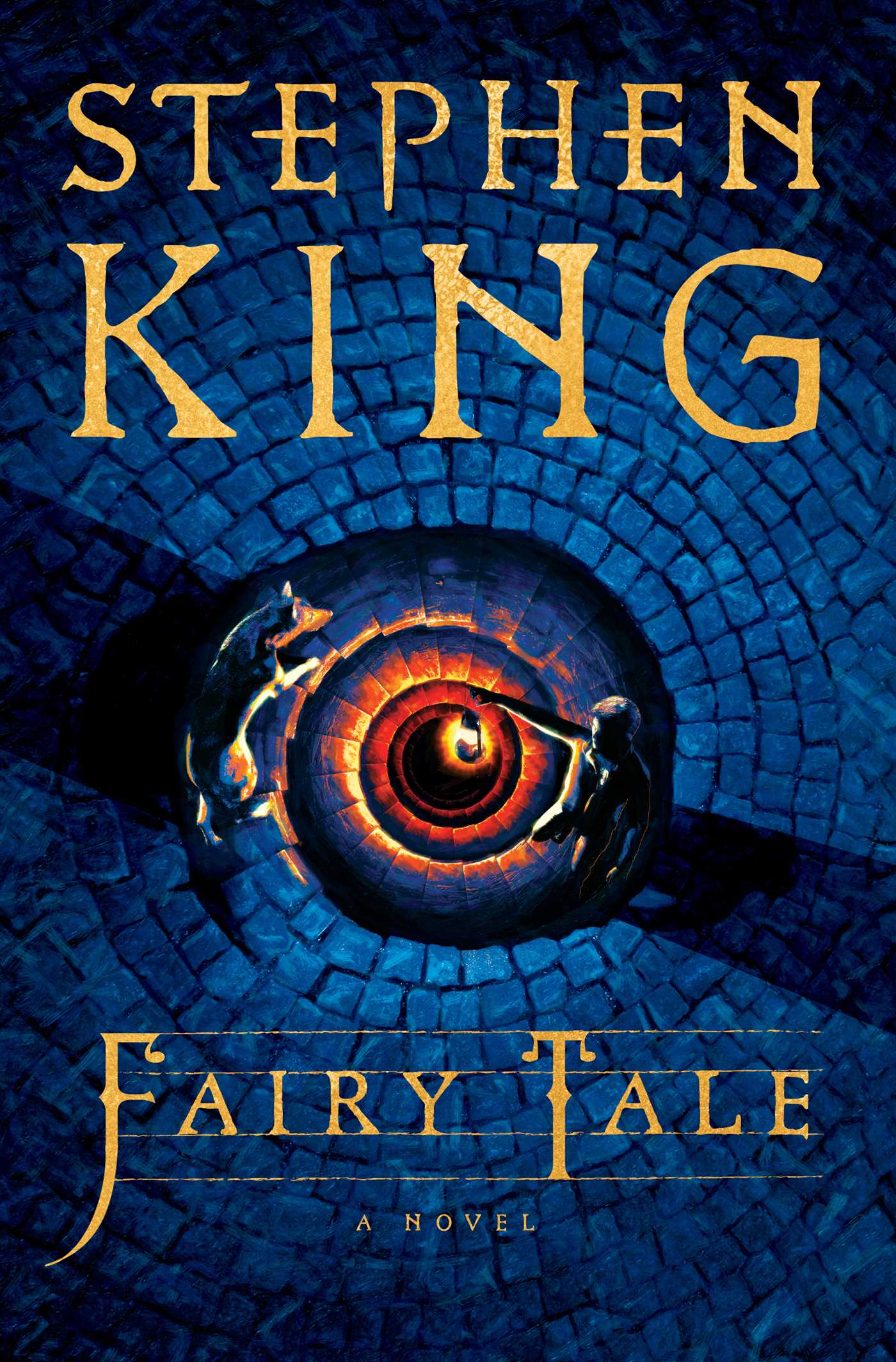
Fairy Tale by Stephen King

book cover

I’d heard of curses—the storybooks are full of them—but this was the first time I’d seen one in action.

You never know where the trapdoors are in your life, do you?

Once Upon a Time, Stephen King decided to write a fairy tale. So, bring in some Brothers Grimm, Disney, Mother Goose, add in some H.P. Lovecraft, for good measure, and plenty more, stir for a good long while in the cauldron that is SKs brain, and “Poof!” There it appears. Being Stephen King, the book is over 600 pages, so not exactly Mother Goose length.

I love all the stuff that Robert E. Howard, Conan the Barbarian and some of the characters in the Edgar Rice Burroughs books, who would find these strange deserted cities, monsters and things. I thought it’s kinda like fairy tales. And I started to kinda get interested in that, and I thought maybe I could combine those two things, Maybe I could take the whole fairy tale riff. – from the Losers Club interview

Charlie Reade is a pretty good kid. But he hit into a bit of bad luck. He was seven when Mom made the mistake of walking across a local bridge on an icy night. Soon after, dad started drinking in earnest, managed to survive in his job for three years, but was ultimately let go. After months of ever worse drinking by his dad, Charlie did something that was alien to him.

description
Stephen King – image from The Financial Times

He prayed to God to help his dad. Help arrives when Charlie is ten in the form of a former workmate introducing pop to AA. Feeling that he must hold up his end of the deal, Charlie is ever on the lookout for the task that he thinks God wants him to take care of. Years later the day arrives, and Charlie, seventeen now, steps up, saving the life of a local crank who had had a bad accident. Mr. Bowditch had more than just a foul temper and a creepy old house. He had an old German Shepherd, Radar, who loved him dearly. Charlie takes on the task of caretaking Radar and Mr. Bowditch, and fast friendships develop. Bowditch had another thing of some significance, a shed covering the entrance to a hidden world.

description
Mr. Bowditch’s house is referred to as “The Psycho House” by the locals – from the book

There comes a time (about 35% of the way in) when it is necessary for Charlie to brave that journey and the story takes off, as Charlie and Radar head down and out of this world. There is a sundial down there that can reverse-age the now-beloved dog. Charlie is determined to save her.

…these books, particularly the Edgar Rice Burroughs books, like John Carter of Mars…they’re supposed to have this hero who’s like, muscular, you know, he played football in college and at the same time he’s got a brain, he’s handsome and got a cleft chin and all that good stuff and I thought I’d like to write a character like that. I’d like to write a character, who’s big, tough, tall, strong, who’s smart, but I want to give him a dose of reality. If he’s a kid, a younger man, who as a younger kid put dogshit on a bad teacher’s windshield, and glued somebody’s ignition shut. In other words I wanted him to have an anti-Disney kind of thing in there. – from the Losers Club interview

King succeeds in giving Charlie some dark sides, but he also gives him a large dose of shame to balance it out.

Fairy Tale follows the familiar Campbellian structure of the Hero’s Journey monomyth, in which a “hero” goes on an adventure, leaving our pedestrian plane to take on challenges in a supernatural world, usually one below ours, engages in victorious battle, and returns home wiser and more powerful than when he or she left, with a newly enhanced ability to help others.

Once down below, in a world called Empis, Charlie encounters many characters who would be quite comfortable in traditional western fairy tales. It is a magical place, as one might expect. There are multiple dealings with Rumpelstiltskin-type characters, (names figure very large here) royalty disguised as commoners, sentient non-human life, (including a cricket who might remind one of another boy on a journey) and a general bleakness darkening the land. I was reminded of C.S. Lewis’s Narnia series opener, in which that troubled land was described as being “Always winter but never Christmas.” More immediate correlations might be to King’s own The Talisman, The Dark Tower, and From a Buick 8, Rose Madder, and Lisey’s Story, which all feature cross-world portals.

Charlie must face and overcome perils in this new (to him) world, in order to achieve his goal of saving Radar. But, Charlie is somehow seen by the locals as some sort of a savior, a prince. (which again reminded me of Peter in Narnia) Charlie finds this odd (who, me?) but also feels a need to help out, so does what he can. Adventure ensues, as does a relentless, and very fun series of references to fairy tales of diverse sorts. King finds his fairy tales in various places. TCM flicks are among them, Niietzsche, Dickens, Kipling, Mark Twain and Thackery, Ray Bradbury, Jung, Lovecraft, Game of Thrones, Piers Anthony, and others.

I tried to put in every goddam fairy tale I could think, including Ariel, the mermaid from the Disney film. – from the Losers Club interview

The Wizard of Oz is a particular favorite, as there are multiple references, including an emerald city, fields of poppies, and a bit on the importance of shoes.

description
Radar and Charlie – from the book

The overall structure of the novel is a frame. Chapter one is Charlie telling us that he is going to tell us a tale–so we know that he will survive–and ends with Charlie letting us know that he is a twenty-something teacher of a seminar on Myth and Fairy Tales. Each chapter is introduced by a drawing of an element to come. These are delightful, adding to the fairy-tale feel of the novel.

Gripes – Charlie keeps reminding us that he is speaking and hearing in a language other than English, a language that he seems to be absorbing by osmosis. Once the initial leap of faith had been requested, and presumably performed, these repetitions only served to remind us over and over again of that leap. Once would have been sufficient. And at 608 pages, it was definitely a bit long. I did not keep track of all the fairy tale, or other literary or filmic references sprinkled across the book, but they are legion, and spotting them offers its own form of satisfaction. Those who have read more of King’s work than I, which will be many of you, will pick up references to other King work that I missed (The Cujo reference is not missable). A weapon used here features large in a King series

There are some passing contemplations in the tale that rise above the simple experience of the plot. In one, Charlie wonders whether it is Empis that is the magical place or the world he was born into, offering some intriguing examples of why one might think that. There are more.

There are familiar Kingian elements. A young man, or boy, forms a friendship with an older man. The man has significant secrets, but teaches his mentee what he can. There is a missing parent, a young person taking on adult responsibilities, issues with alcoholism, other worlds that exist in parallel to ours, coming to terms with our darker side, and more. One primary Kingian element that is particularly appropriate here is that this is a love story. Boy meets dog, and it is love that conquers all. It is also a love letter to story, the stories King read as a kid, the stories he has continued to inhale as an adult, whether of the fairy tale, horror, science fiction or adventure sort, whether taken in from the pages of a book or from screens, large and small. We as individuals are the stories we tell about ourselves.

Our culture is defined by the stories we tell and repeat about our values and history. Story is as important to us as breathing and eating. Many of the fairy tales that King incorporates here are not, like the ones we grew up on, intended for bedtime reading to children. Mother Goose might not feel entirely comfortable with the darker pieces that King has imported into his magical kingdom (not exactly the happiest place on Earth), particularly the Lovecraftian ones, but I bet the Brothers Grimm (before Disney got its paws on their tales) would be all good with it. Whether your fairy tales begin with “Once upon a time or “A long time ago, in a galaxy far, far away…” we have always been taken with stories that transport us to other realms, whether those places are characterized by magic, darkness, bizarre landscapes, alien beings, advanced technology, or some other form of other-ness. I can’t say that once you read this you will live happily ever after but it may show you some roads you can travel to find your way there on your own, or even with a friend or two. Consider yourself transported.

As a kid, I liked all the stories by Robert E. Howard, and I liked Edgar Rice Burroughs. One of the greatest things is The Land That Time Forgot. The story starts with a narrator who finds a manuscript on the beach. The narrator says, to you, the reader, read five pages and I will be forgotten. To me, that’s what fiction’s all about. Particularly fiction where a lot of stuff happens and where you’re kind of on an adventure, and you say to yourself, What I would like to do is for my readers to forget all their problems for a while, and just relax and get totally immersed in the story and get carried away to a different world. – from the Losers Club interview

The novel has been optioned by Paul Greengrass to make a feature film, but it certainly seems better suited to a mini-series. I guess we will see.

Review posted – 05/12/23

Publication date – 9/06/22

This review is cross-posted on Goodreads. Stop by and say Hi!

=======================================EXTRA STUFF

SK’s personal and FB pages

reviews of some other books by this King
—–2020 – If It Bleeds
—–2019 – The Institute
—–2014 – Revival
—–2014 – Mr. Mercedes
—–2013 – Doctor Sleep
—–2009 – Under the Dome
—–2008 – Duma Key
—–2006 – Lisey’s Story
—–1977 – The Shining

Other King Family (Joe Hill) books I have reviewed:
—–2019 – Full Throttle
—–2017 – Strange Weather
—–2016 – The Fireman
—–2013 – NOS4A2
—–2007 – Heart-Shaped Box
—–2005 – 20th Century Ghosts

Interview
—–The Losers Club – A Stephen King Podcast
From 7:00 – 10:45

Songs/Music
—–Keen’V – Rien Qu’une Fois

Item of Interest from the author
—–Stephen reads an excerpt from Chapter 15

Items of Interest
—–Esquire – In Fantasy, Stephen king Gets Personal by Jonathan Russell Clark –Lark offers a fascinating take on some common threads in nis fantasies
—–Booktrib – A Fairy Tale Worthy of a King – by McKenzie Tozan
he finds himself questioning which world is real, and which world is the fairy tale.
—–Wikipedia – Hero’s journey
—–Tor – Breaking Down the Fairy Tale Elements in Stephen King’s Fairy Tale by Rachel Ayers
Ayers goes through the mushy borders between fairy tale, folklore and mythology.

Leave a comment

Filed under Fantasy, Fiction, Horror

What Feasts at Night (Sworn Soldier, #2) by T. Kingfisher

book cover

I had the unpleasant feeling that I was riding straight down a giant throat.

…the woods of Gallacia are as deep and dark as God’s sorrow.

T. Kingfisher, nom de plume of Ursula Vernon, introduced Alex Easton, the Sworn Soldier of the series title, in her 2022 novella, What Moves the Dead. Easton is a native of the fictional nation of Gallacia, a place with its own language, nasty weather, and plenty of reasons to stay away. Alex travels with Angus, erstwhile batman from military days, and overall assistant these days. It is the late 19th century. The pair managed to survive the creepy challenges offered in the first book in the series, a particularly original and alarming take on Poes’s, The Fall of the House of Usher. They are looking forward to a holiday at Easton’s hunting lodge. But they do have a penchant for finding the unusual and unpleasant.

description
T. Kingfisher, aka Ursula Vernon – image from Edubilla.com

Easton invited Eugenia Potter to be a guest at the lodge. Potter is Beatrix’s aunt, a personage from the prior book, and a love interest for Angus. Easton is hoping that the lodge has been well maintained, as a local had been hired to see to that, but had proven unreachable. Is the place ready? Is it even standing? Who knows?

The focal point on the spectral scale in this volume is an obscure regional spook. According to wiki, a moroi is a phantom of a dead person which leaves the grave to draw energy from the living, so, not a paying guest. Vacation plans are foiled, in fact, replaced with mortal perils

The initial volume in the series introduced Alex Easton as a person with female physical attributes who is established in a traditionally male role. The author even takes on pronoun-ing in the created culture that incorporates such a person into the extant culture. It was an interesting element in the first volume, but is only lightly addressed here.

Kingfisher has fun setting the creepy stage with grim descriptions of Gallacia, and the particularly dreary part of it in which Alex and company find themselves. For examples, see the two quotes at the top of this review. But she also peppers the tale with humor.

…I recognized the smell of livrit, our beloved national paint thinner, made from lichen, cloudberries, and spite. No Gallacian soldier would be without a bottle, in case we ever need to remember what we’re fighting for. (Mostly the opportunity to be somewhere that has better liquor.)

The greatest city in Gallacia is fine, I suppose, but I didn’t feel the need to linger. Imagine if an architect wanted to re-create Budapest, but on a shoestring budget and without any of the convenient flat bits. While fighting wolves.

And Potter butchering the local patois is quite fun.

Alex and company try to figure out what is going on, then how to address the problem. The local woman, whom they hire to take care of the household, should come with a surgeon general’s warning.

The most interesting element in the story is the fuzzing of the lines between reality and the dreamworld. Are battles fought in an unconscious state still deadly? The struggle for self-control, for self-awareness is as significant as the physical (or is it spectral) harm that is risked, and even suffered.

But frankly, this one was a bit of a dud for me. Only occasionally scary at all. I always enjoy a bit of humor and Kingfisher offers up a fair bit here. But there seems far less richness to this book that there was to its predecessor. An enjoyable read but far from a compelling one. It has the benefit of being a short one, a novella, not a full novel, so you can inhale it in a sitting.

Kingfisher/Vernon has a third Sworn Soldier volume in the works, set in the USA, and featuring Dr. James Denton from What Moves the Dead. Hopefully the digging she has been doing for that project will yield a motherlode of fun and horror.

The silence didn’t feel peaceful. It felt thick. Like a layer of fuzz on your tongue after a hard night of drinking, which you can’t see or touch but you can damn well taste. There weren’t even any birds singing.

Review posted – 04/19/23

Publication date – 02/13/23

I received an ARE of What Feasts at Night from Tor/Nightfire in return for a fair review. Thanks, folks, and thanks to NetGalley for facilitating.

This review is cross-posted on Goodreads. Stop by and say Hi!

=======================================EXTRA STUFF

Links to Kingfisher’s personal, Goodreads, and Twitter pages

Profile – from the Fantasy Hive
T. Kingfisher is the adult fiction pseudonym of Ursula Vernon, the multi-award-winning author of Digger and Dragonbreath. She is an author and illustrator based in North Carolina who has been nominated for the Ursa Major Award, the Eisner Awards, and has won the Nebula Award for Best Short Story for “Jackalope Wives” in 2015 and the Hugo Award for Best Novelette for “The Tomato Thief” in 2017. Her debut adult horror novel, The Twisted Ones, won the 2020 Dragon Award for Best Horror Novel, and was followed by the critically acclaimed The Hollow Places.

My reviews of earlier books by Kingfisher
—–2022 – What Moves the Dead
—–2023 – Thornhedge

Items of Interest
—–Wiki on moroi
—–Stone Soup – The Mess That the Editor Fixes: What Feasts at Night by T. Kingfisher – really only so-so

Leave a comment

Filed under Fantasy, Fiction, Horror, Novella, Reviews

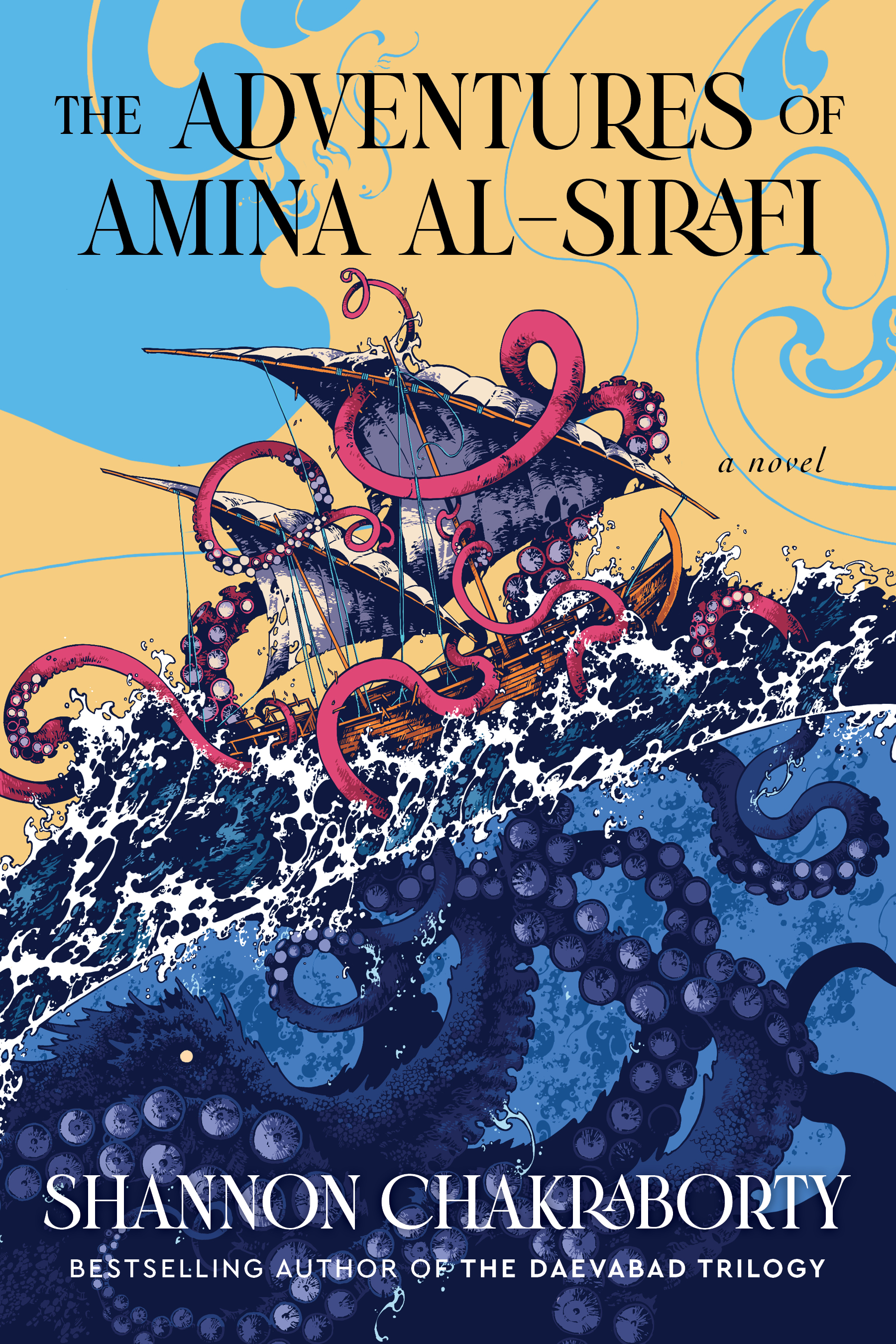
The Adventures of Amina Al-Sirafi by Shannon Chakraborty

book cover

We used to joke that of the three of us, I could kill you up close, Tinbu could kill you from another ship, and Dalila could kill you from a different city three days later.

I’d grown up feeling terribly unusual; out of place and never at peace with the fate afforded young girls. In a hidden corner of my heart, I nursed embarrassing dreams. That I was not the child of my parents, but the daughter of a tribe of female warriors who flew upon winged horses. Or I was heir to a hidden sea kingdom below the waves, and the whispered sighs I heard from the water when we sailed and the strange lightning in the distance were not natural weather phenomena but magic, my true family calling to me. Then I grew into an adult. One who learned the hard way that if there was magic in this world, it could be as brutal and cunning as the worst monsters out of a fairy tale.

We get to see some of that in action.

Amina al-Sirafi has led a storied existence, leaving home at sixteen and making her way on the briny deep, not just a pirate, but a female captain, a nakhudha, notorious for her success at parting the wealthy from their wealth. Not exactly a Robin Hood, not particularly bloodthirsty either. But life moves on. The years take their toll, and one seeks out less perilous enterprises, particularly after a singularly harrowing experience, particularly when pregnant. Years on, Amina is living a sedate existence, raising her ten-year-old daughter. But life comes calling, in a way that might be familiar to Michael Corleone. A rich widow, Salima, the mother of Asif, a crewman of Amina’s who had been lost, wants to hire her to retrieve her granddaughter, 16yo Dunya, Asif’s daughter.

description
Shannon Chakraborty – image from her Twitter pages

Well, maybe not quite lost. An erstwhile Crusader, Falco Palemenestra, a Frank (local speak for European) with a profound lust for magical objects, appears to have made off with young Salima’s greatest treasure, 16yo Dunya. Granny wants her back. She makes Amina an offer she cannot refuse.

And the chase is on. But of course, Amina has to pull together a crew. This is where we meet her erstwhile first mate, Tinbu, who has been in charge of her ship since she went on sabbatical. Much more fun is her good pal Dalila, a professional poisoner. You do not want to sip from the wrong cup in that workshop.
Easily one of the most enjoyable topics to research was criminal activity—specifically overwrought stories and urban legends about criminal activity—in the medieval world. All the cons, tricks, and poisons in this book are pulled from history: there’s actually a thirteenth century charlatan’s guide (recently translated into English by the Library of Arabic Literature) which discusses both the three cups game still used to swindle gullible tourists today and the numerous knock-out drugs Dalila employs. The guild Dalila hails from—the Banu Sasan—was also real, or as “real” as the fantastical odes recited about it were. – From the Fantasy Hive interview

There are jails to break, corrupt local officials to deal with, and a ship to wrest from impoundment. Cons are run, disguises are used, buckles are swashed. And a-sailing we will go. Of course, there are further stops to be made, intel to gather, and some dark magic to encounter. There is a significant supporting cast, with the main characters receiving their due. And then there is Raksh.

Let’s talk about the night I accidentally married a demon.

Oopsy. Amina has issues with relationships. This one did not end well. And now he’s ba-ack. And he is a total hoot, well, except for the darker elements, of course.

So many of the characters in this book are coming to terms with past misdeeds or trying stick to a more righteous path and then you have this utterly selfish, sexy creature of chaos and trickery just waltz in and repeatedly betray them to save his own skin and spin “a better story.” And that’s the very point of him—he’s not human, he’s very much meant to be a relic of a forgotten age when people did tell stories of meddling, petty gods and monsters, a supernatural aspect that naturally feeds on human ambition and wouldn’t even understand why he’s expected to feel remorse for doing so. It was fun to create such a foil for Amina herself and really delve into the almost alien psyche of such a being. – from The Fantasy Hive interview

We learn that Falco is particularly interested in a frighteningly powerful magical object, The Moon of Saba (which has absolutely nothing to do with dropping trou, promise). Can Amina save the teen, and keep Falco from getting his mitts on this very dangerous treasure?

The largest pearl in the world; a miniature moon said to have been snatched from the sky by a lovelorn fairy and gifted to Queen Bilqis, who made it the centerpiece of her crown. A gem believed to bestow upon its owner countless wishes, supernatural sight, and unending good fortune.

description
Map of al-Sirafi’s adventure

Amina stands out from the usual superhero sorts for two reasons. The first is that she is a lifelong criminal, (Make me good, but not yet?) even though she seems to have a good heart. Second is that she is a middle-aged mom. She has to struggle not only with the challenge of her aquatic mission, but with the conflict between her desire to stay at home to raise her daughter and her need for seafaring adventure. Parenting and piracy seem poor partners. There are other ongoing thematic concerns. Coming to terms with one’s past deeds is among them. There are plenty of ledgers to balance.

description
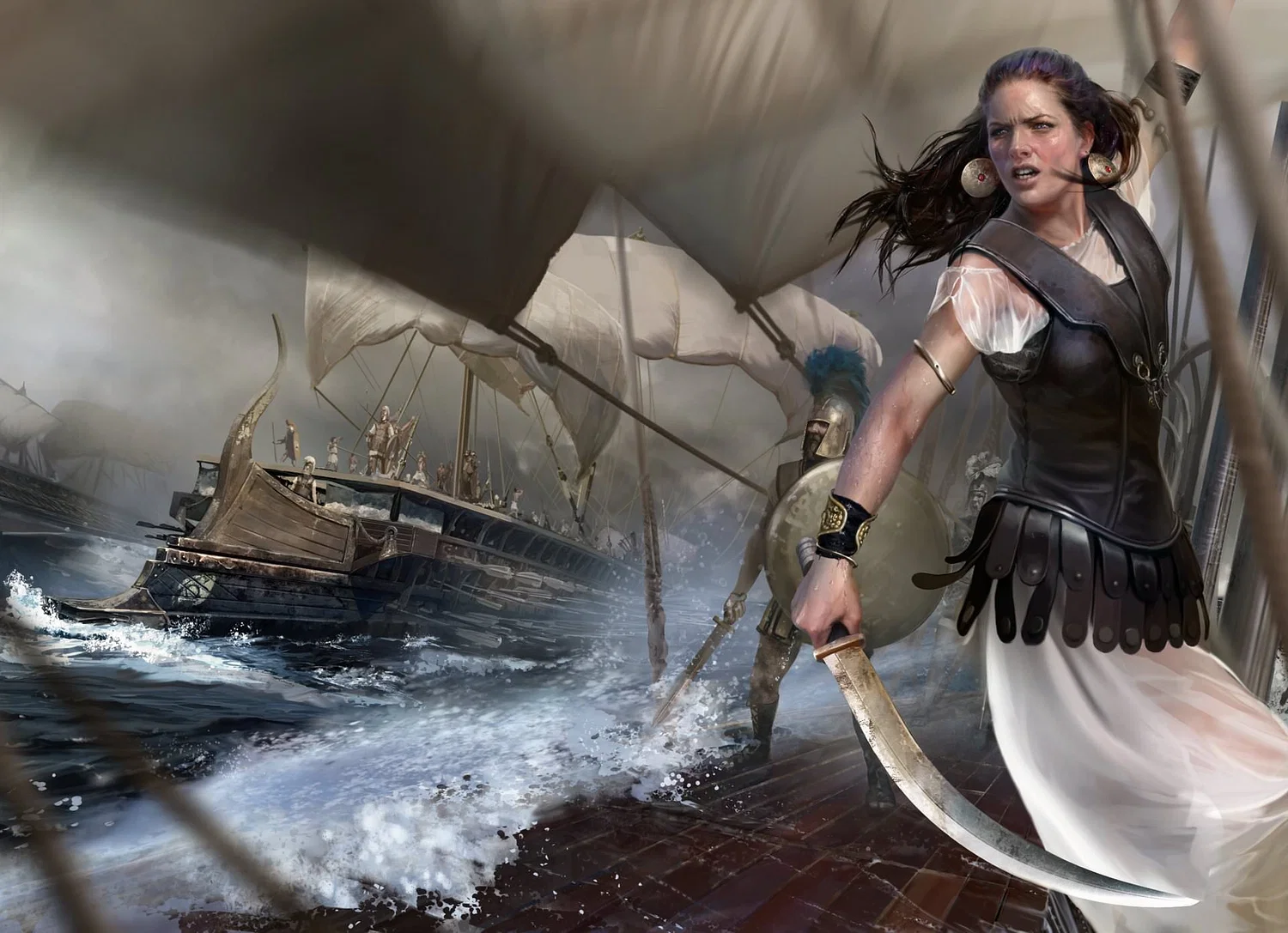
Teuta, Queen of the Illyrian Ardiaei tribe, leads a pirate expedition against rome. – image from WorldHistory.org

The focus of the story is on the humans. Sure, there is a major magical supporting character, and some of the humans dabble in dark arts. But they remain people. That said, there is plenty of magic in the air, and water. Some creatures introduced in the Daevabad trilogy put in appearances here. There is a kaiju-level sea beast, and plenty more. I hesitate to say this, but it seemed at one point that more was less, and that there were maybe too many such roaming and flitting about.

description
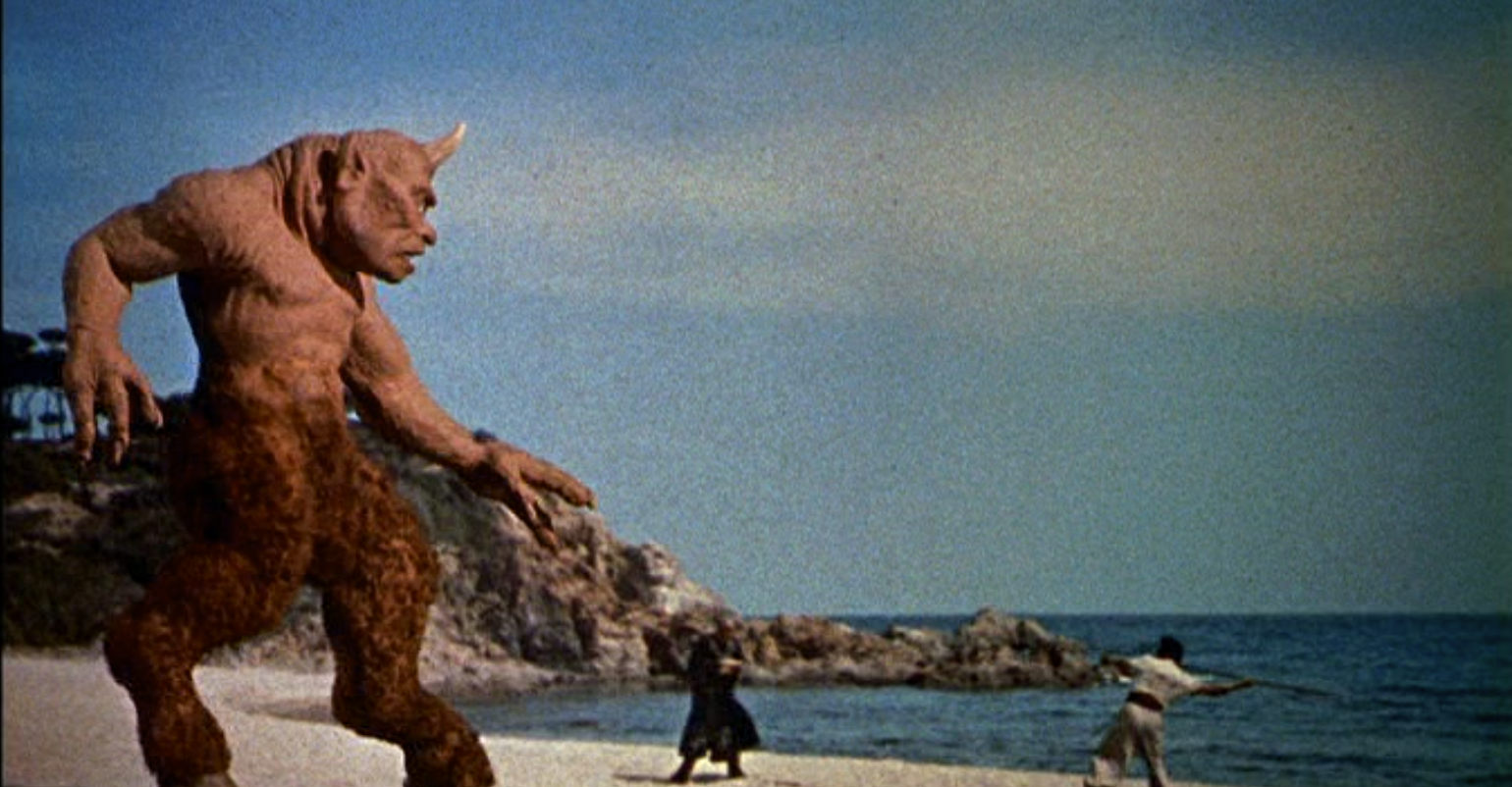
(I can only imagine what Ray Harryhausen would do with such a rich trove of material. Above is a still from The 7th Voyage of Sindbad

There is treasure. There is an island, and there is even a possible reference to Treasure Island, although, really, it may just be me projecting, and islands and treasure are merely standard tropes for the genre.

I straightened up with care, pinching my brow to keep black spots from dancing before my eyes.

Per usual, Chakraborty brings her effervescent sense of humor to her writing. There are plenty of LOL moments, particularly when Amina interacts with Dalila or Raksh.

“What about you, Lady Dalila?” Noor asked. “Is there anyone back home you are eager to return to?”
Dalila picked at her teeth. “I had to abandon a time sensitive experiment with extremely promising indications as a knock-out gas.”
“For pain relief,” I amended quickly. “Dalila is our…healer.”
Noor’s brows rose slightly. “Ah, yes. Majed speaks frequently of how you ‘healed’ him when you first met.”
Dalila rolled her eyes. “It was hardly the worst of my poisons. There are some physicians who actually believe it beneficial to vomit blood every now and then. It balances the humors.”

In addition, because Chakraborty is a historian at heart, she has delivered to us a treasure of intel about the world of this time and place.

When I started working on Amina, the goal I had for myself, and I think I wrote this in the author’s note at the end, was that I wanted to make it completely historically accurate—outside of the plot. I did a ton of research. There’s been an incredible amount of new work done on the medieval Indian Ocean, but you’re still looking at 12th-century texts. It’s almost 1,000 years ago, and there is a great limit to what we know. – from The Portalist interview

The series is set a few centuries before Chakraborty’s Daevabad trilogy, but exists in the same general corner of the planet. Some nods are offered to that world, including a small part for a magical creature from the Djinn tales. And a bit of snark.

“Oh, those weren’t humans. Those were daevas.”
“What in God’s name is a daeva?
He held up a hand. “You don’t want to know, trust me. More overdramatic creatures have never existed. And they’re not even the worst ones here. Everyone likes to complain about humans, but let me tell you…spend a couple centuries with the inhabitants of the unseen realms, and you’ll be aching to haunt a mortal latrine.”

There is a form of ecstasy that occurs in reading some books. Some are serious, (Serena pops to mind) others are more of the entertainment sort. I remember, as a kid, being rapt by some of the great classic adventures, by Robert Louis Stevenson, Jules Verne, and others. I was desperate to continue reading, despite the unwillingness of my eyes, and my mother reminding me, yet again, to turn the flashlight off under my covers. Well settled into middle age, the Harry Potter series offered the same sort of excitement. About six years ago, I was delighted to report that I felt that joy once more, at a grizzled time of life, on reading Shannon Chakraborty’s Daevabad trilogy, about djinns and sundry contemporary creatures and figures. While these books did nothing to iron out the wrinkles that brace my eyes, or straighten a spine that has strayed much too far from the standard shape, they did offer many hours of pure, innocent joy, the sort I experienced when my soul was more truly unstained. I am overjoyed to report that Chakraborty has worked her magic again. The Adventures of Amina el-Sirafi, the first in a promised trilogy, is a treat for the eyes and the imagination. Unlike Michael Corleone, I am eager to be pulled back in. You will be, too. No Shanghaiing required. Climb aboard, me hearties, and let’s set sail. The adventure has just begun.

I wanted to travel the world and sail every sea. I wanted to have adventures, to be a hero, to have my tales told in courtyards and street fairs where perhaps kids who’d grown up like me, with more imagination than means might be inspired to dream. Where women who were told there was only one sort of respectful life for them could listen to tales of another who’d broken away—and thrived when she’d done so.

Review posted – 4/14/23

Publication date – 2/28/23

I received an ARE of The Adventures of Amina al-Sirafi from Harper Voyager (well, my book goddess secured this particular treasure for me) in return for a fair review. Thanks, dear, and thanks HV.

This review has been cross-posted on GoodReads

=======================================EXTRA STUFF

Links to the author’s personal, Twitter and FB pages

My reviews of other books by the author
—–2017 – The City of Brass (The Daevabad Trilogy #1)
—–2019 – The Kingdom of Copper (The Daevabad Trilogy #2)
—–2020 – The Empire of Gold (The Daevabad Trilogy #3)

Interviews
—–Lit Reactor – Shannon Chakraborty: Navigating the Creative Voyage by Jena Brown
—–The Portalist – Shannon Chakraborty Breaks Down Her Writing Process and New Book, The Adventures of Amina al-Sirafi by Jena Brown
—–Bookpage – Shannon Chakraborty sets sail for a new horizon by Linda M. Castellitto
—–The Fantasy Hive – INTERVIEW WITH SHANNON CHAKRABORTY (THE ADVENTURES OF AMINA AL-SIRAFI)
—–Writer’s Digest – Shannon Chakraborty: On Humor and Joy in Fantasy by Robert Lee Brewer

Items of Interest from the author
—–Fantasy Hive – Excerpt – Chapter 1
—–Tor – Excerpt – Chapter 5

Items of Interest
—–Americanliterature.com – Arabian Nights – The Story of Sindbad the Sailor
—– Godfather III – Just when I thought I was out, they pull me back in!
—–World History.Org – Queen Teuta of Illyria

Leave a comment

Filed under Action-Adventure, Fantasy, Feminism, Fiction, Historical Fiction, Literary Fiction, Thriller

Stone Blind by Natalie Haynes

book cover

Perseus…has no interest in the well being of any creature if it impedes his desire to do whatever he wants. He is a vicious little thug and the sooner you grasp that, and stop thinking of him as a brave boy hero, the closer you’ll be to understanding what actually happened.

Who decides what is a monster?

When Natalie Haynes wrote Pandora’s Jar, a collection of ten essays on the women in Greek myths, she included a chapter on Medusa. In nine-thousand words she offered a non-standard view of the story of heroic Perseus slaying the gorgon. But the story stayed with her, well, the rage about the story of how ill-treated this supposed monster had been, anyway. If the feeling remained that powerful for so long, it was a message. She needed to devote a full book to this outrage in order to get any peace. Thus Stone Blind.

description
Natalie Haynes – image from Hay Festival

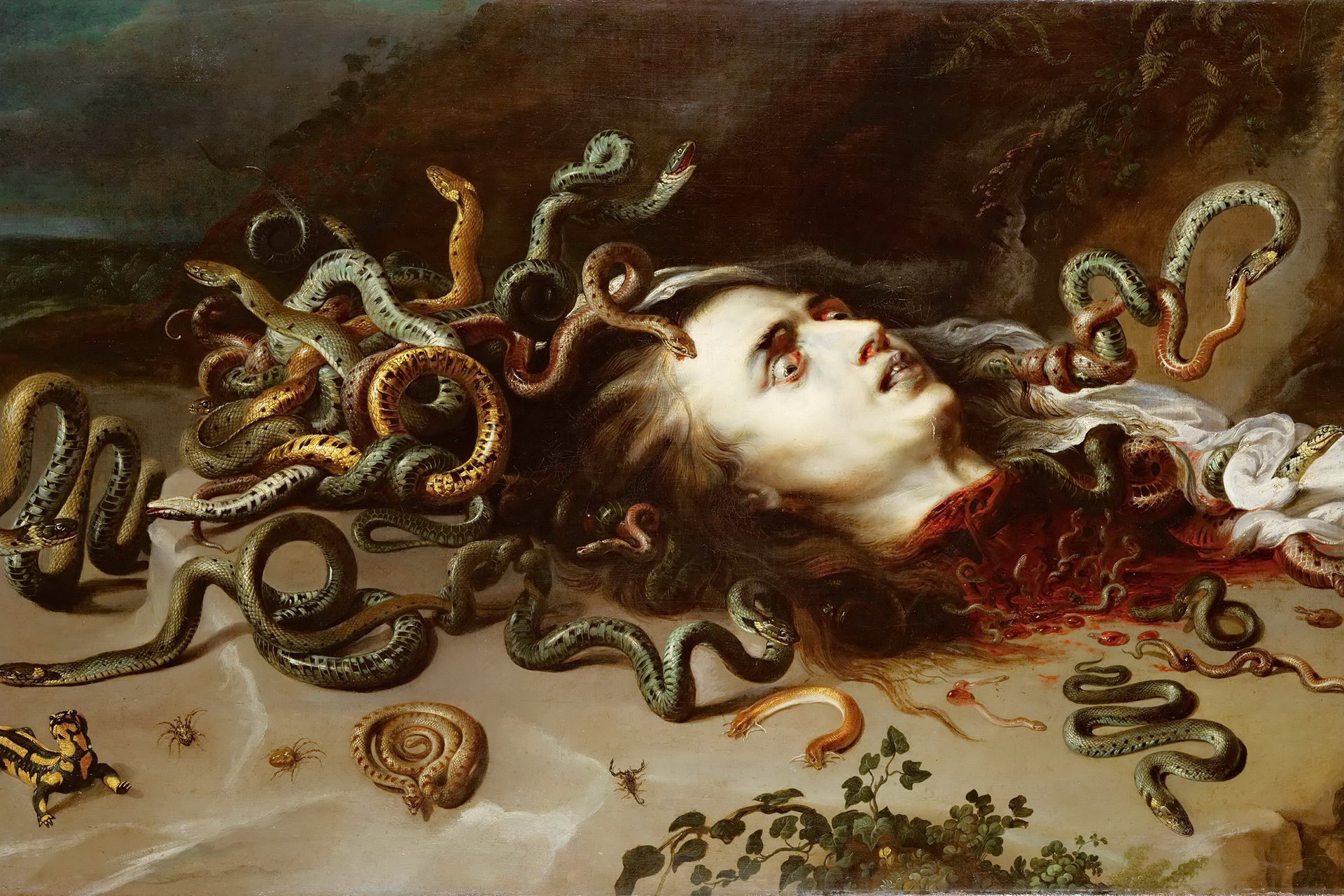
We learn how Medusa came by her notable do. After being sexually assaulted by Poseidon in one of Athena’s temples, the goddess was appalled. No, not by the rape. I mean a god’s gotta do what a god’s gotta do. But that he raped Medusa in Athena’s temple! Desecration! Well, that cannot go unpunished. So, Athena seeks revenge on Poseidon by assaulting Medusa, figuring, we guess, that this might make Poseidon sad, or something. Uses her goddess powers to turn Medusa’s hair to snakes and her eyes to weapons of mass destruction. Any living creature she looks at will be lithified.

description
Image from Mythopedia – Head of Medusa by Peter Paul Rubens – 1618

Then there is the other half of this tale, Perseus. We are treated to his dodgy beginnings, another godly sexual assault. He is not portrayed here as the hero so many ancient writings proclaim. Decent enough kid, living with his mom, Danae, and a stepfather sort, until mom is threatened with being forcibly married to the local king, a total douche. Junior tries to make a deal to get her out of it, said douche sending him on a seemingly impossible quest. Good luck, kid. I mean, seriously, how in hell can he hope to bring back a gorgon’s head?

description
Image from Ancient Origins

Zeus feels a need to help the kid out. I mean, Perseus may be a bastard, but hey, in Greek mythology, that would put him in the majority. Am I right? Still, he is Zeus’s bastard, so Pop does what he can to help him out, sending along two gods to coach and aid the lad as needed. Hermes and Athena snark all over Perseus, pointing out his many weaknesses and flaws, while providing some very real assistance. They may not hold the kid in high regard, but neither can they piss off the boss. Very high school gym, and totally hilarious.

description
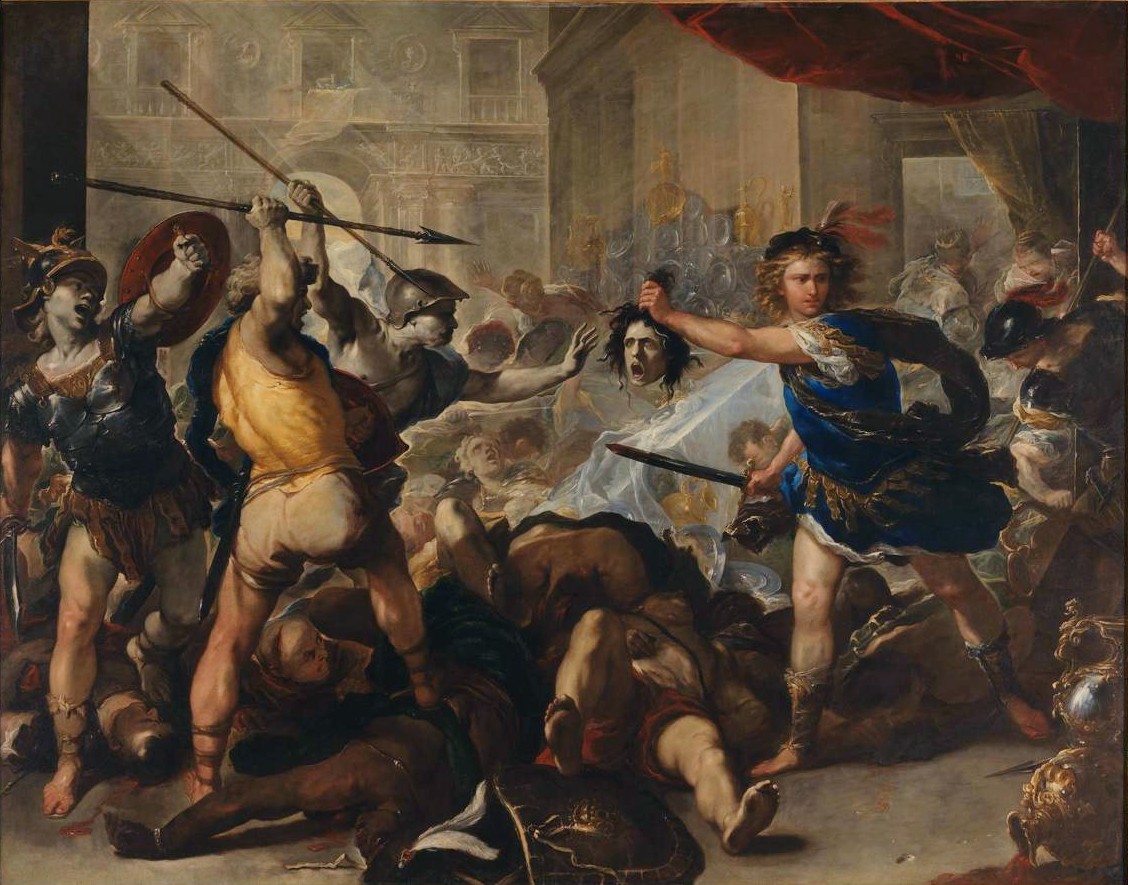
Image from Wiki – Perseus Turning Phineus and his followers to stone by Luca Giordano – 1680s

Which should not be terribly surprising. Haynes is not just an author and classicist, but a stand-up comedian. You can glean what you need to know about her comedic career from the Historical Archivist interview linked in EXTRA STUFF. There is plenty of humor beside godly dissing of Perseus. Athena (referred to as Athene in the book) tries to talk an unnamed mortal into signing on to a huge battle between the Olympian gods and the Giants, new powerhouse versus the current champs. It is clearly a tough sell.

‘If you get trodden on by a giant or a god – which wouldn’t be intentional on our part, incidentally – but in the heat of battle one of us might step in the wrong place and there you’d be. . . . Well, would have been. Anyway, it would be painless. Probably very painful just before it was painless, but not for long.’… ‘Come on. If you do die, I’ll put in a word for you to get a constellation. Promise.’

There are plenty more like these, including a particularly shocking approach to relieving a really bad headache.

description
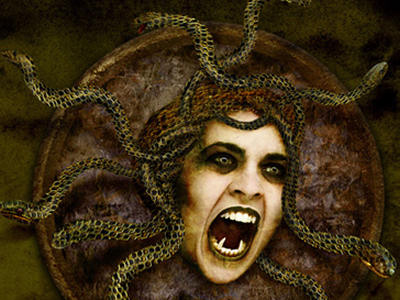
Image from Scary For Kids (reminds me of the nun I had for eighth grade)

But the whole quest experience uncovers Perseus’s inner god-like inclinations. He becomes an entitled rich kid with far too many high-powered connections helping him out. And develops a taste for slaughter. When Andromeda sees a knight in shining armor, come to save her from certain death by sea monster, her parents suggest that “Maybe, Sweetie, you might consider how gleeful he was when he was murdering defenseless people?” Or noting that if he had really been solid on keeping promises he might have headed straight home to save his mom with that snaky head instead of stopping off to frolic in blood for a few days. “This boy’s gonna be trouble, Andy.”

description
Image from Classical Literature

The gods have issues. The Housewives of Olympus could well include some unspeakable husbands, who seem to have a thing for forcing themselves on whomever (or whatever) catches their eye. As a group they are always on the lookout for slights, insults, or minor border transgressions. What a bunch of whiny bitches! But with power, unfortunately, to make life unspeakable for us mere mortals, whose life expectancy is not even a rounding error to their eternal foolishness. Medusa, in that way, was one of us. There is uncertainty about Perseus.

description
Image from Talking Humanities

Sisters abound. Apparently, triple-sister deities was a thing for the ancient Greeks. We are treated to POVs from Medusa’s two gorgon sibs, and look on as Perseus hoodwinks the three hapless Graiai sisters, who are doomed to having to share a single eye and a single tooth among them. (Could you please wipe that thing off before you pass it along?) The Nereids are more numerous (50) and a bit of a dark force here.

description
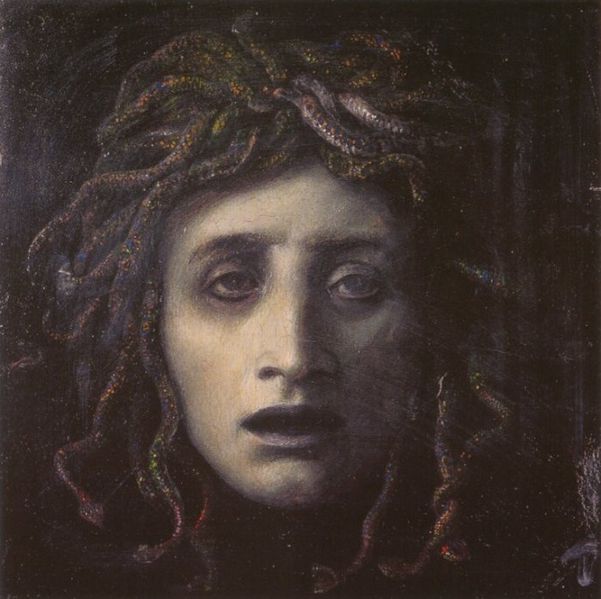
From Greek Legends and Myths – by Arnold Böcklin (1827–1901)

Never one to stick to a single POV, Haynes offers us many discrete perspectives over seventy-five chapters. Fifteen are one-offs. The Gorgoneion leads the pack with thirteen chapters, followed by Athene with eleven, Andromeda with eight and Medusa with seven. There are some unusual POVs in the mix, a talking head (no, not David Byrne), a crow, and an olive tree among them. Haynes dips into omniscient narrator mode for a handful of chapters as well.

description
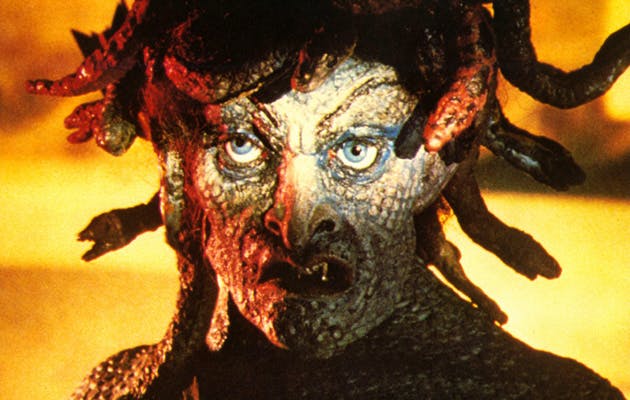
Image From Empire

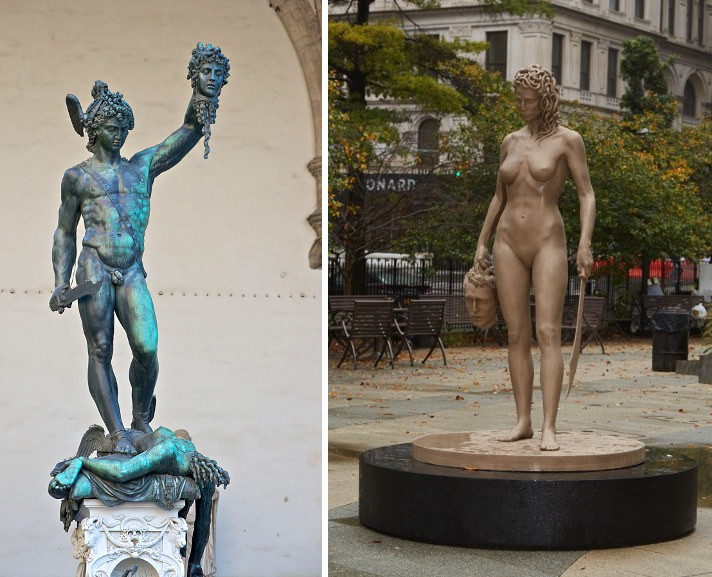
As noted in EXTRA STUFF, there is a particularly offensive sculpture of Perseus holding Medusa’s severed head. Not only has he murdered her, he is standing on her corpse. You can see how this would piss off a classicist who knows that Medusa never hurt anyone. Damage done by her death-gaze was inadvertent or done by others using her head as a weapon. And this supposedly brave warrior killed this woman in her sleep. Studly, no? And with all sorts of magical help from his father’s peeps. What a guy!

description
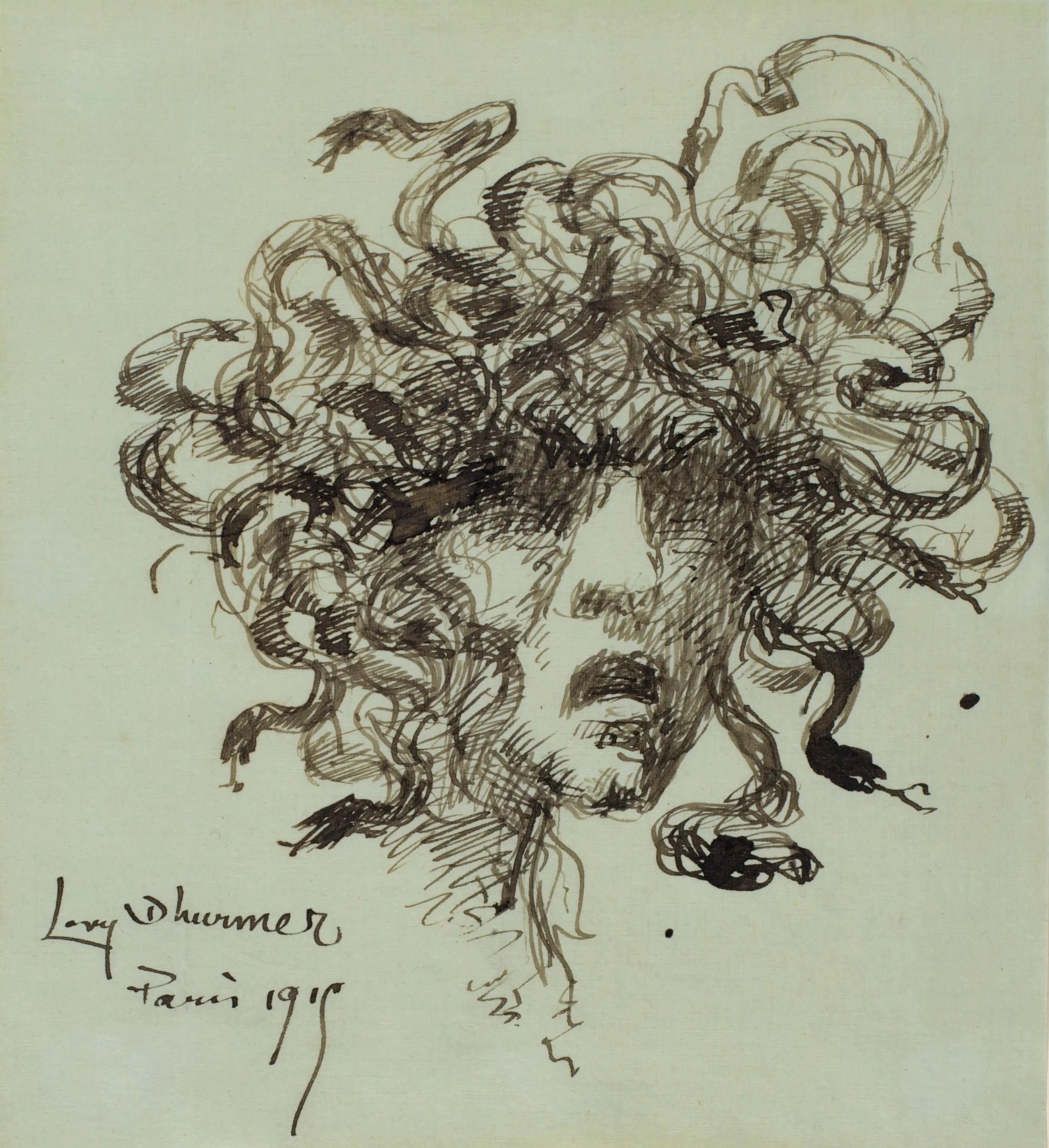
Image from Smithsonian American art Museum – by Lucien Levy-Dhurmer – 1915

Natalie Haynes set out to tell Medusa’s story, and it is completely clear by the end that the monstrosity here is the treatment this innocent female mortal received, at the hands of abusers both male and female. Haynes keeps the story rolling with the diverse perspectives and short chapters, so that even if you remember most of the classic myth there will be plenty of mythological history you never knew. You will also laugh out loud, which is a pretty good trick for what is really a #METOO novel. The abuse of the powerless, of women in particular, by the powerful has been going on only forever. Haynes has made clear just how the stories we have told for thousands of years reinforce, and even celebrate, that abuse. Next up for her, fiction-wise, is Medea. I can’t wait.

description
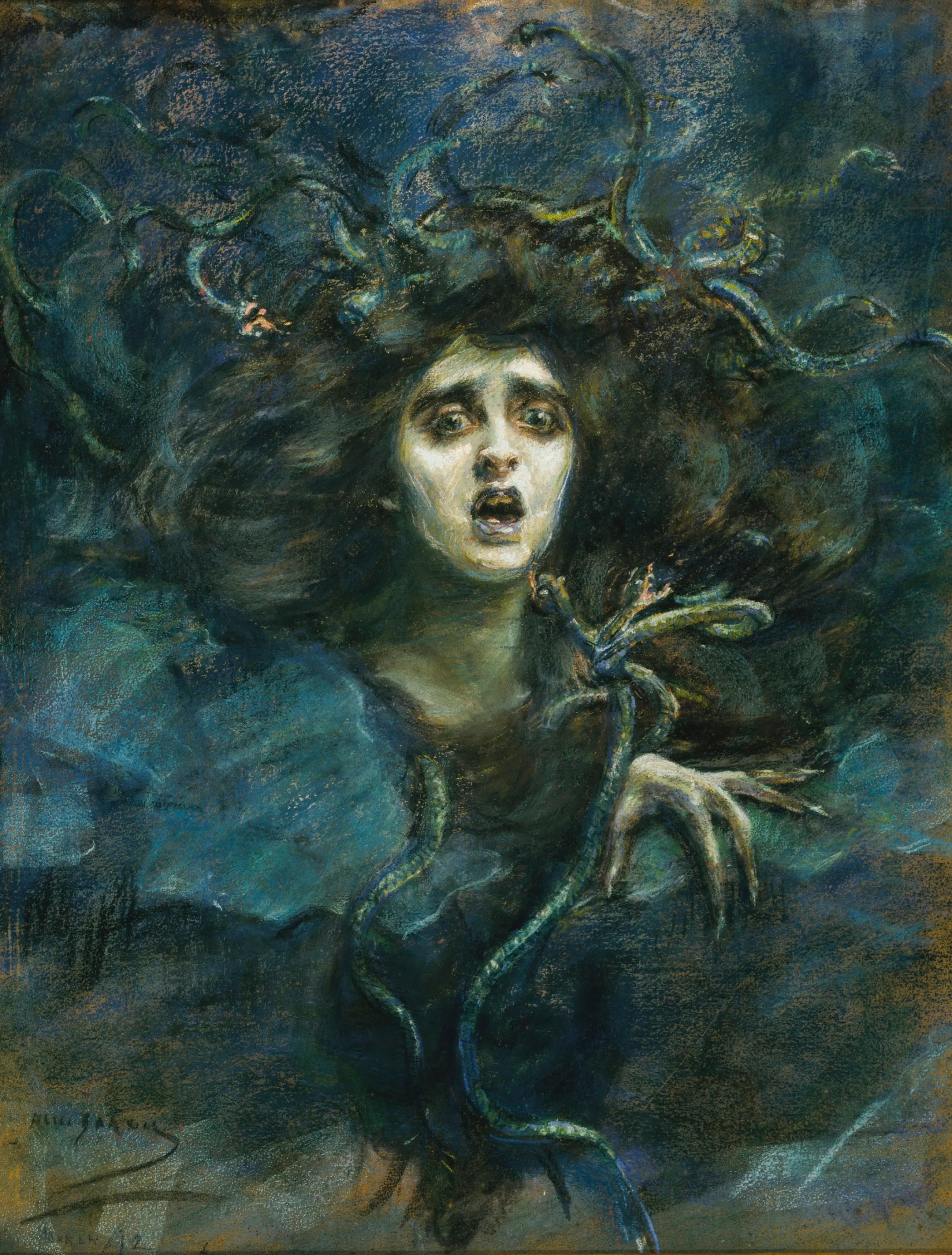
Image from Smithsonian American Art Museum – by Alice Pike Barney – 1892

Medusa may not have been a goddess, but it seems quite clear that Natalie Haynes is. This is a wonderful read, not to be missed.

He’s just a bag of meat wandering round, irritating people.’

Review posted – 02/24/23

Publication dates – Hardcover
———-UK – September 15, 2022 Mantle
———-USA – February 7, 2021 – Harper

This review has been cross-posted on GoodReads. Stop by and say Hi!

description
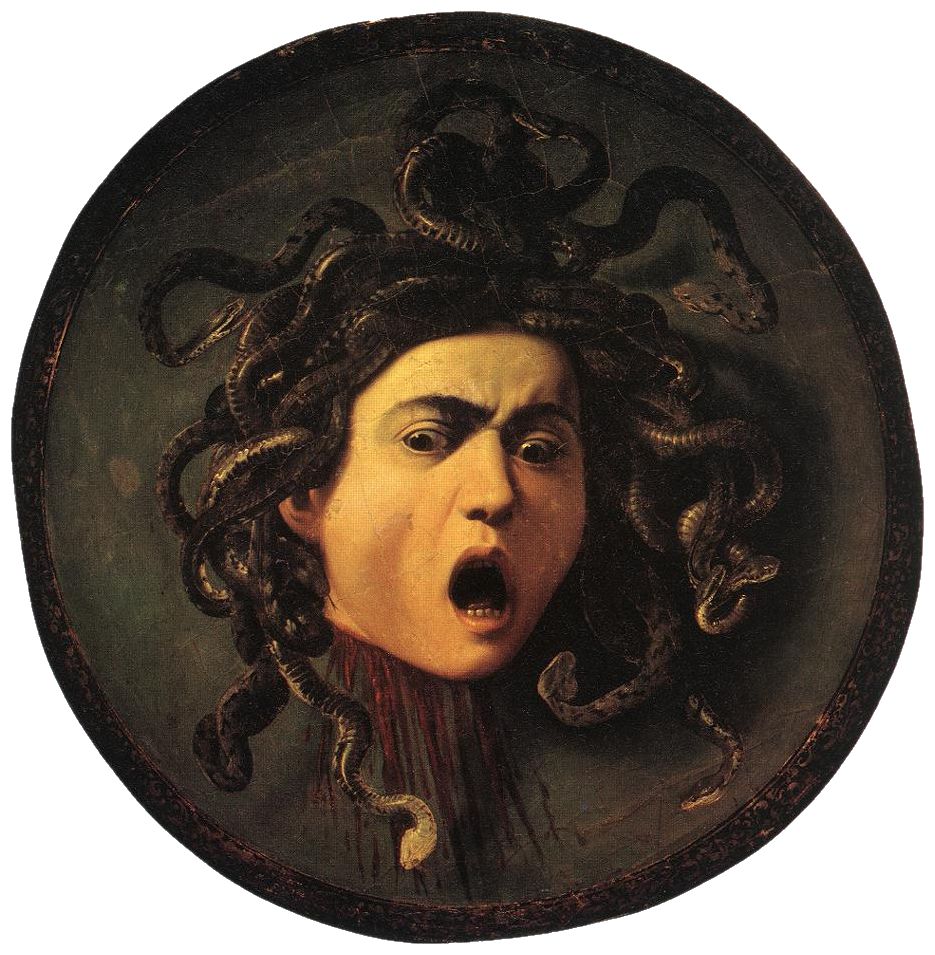
Image from Wiki by Caravaggio – 1597

=======================================EXTRA STUFF

Links to the author’s personal, Twitter and Instagram pages

Interviews
—–The Bookseller – Natalie Haynes on challenging patriarchal historical narratives and championing female voices by Alice O’Keeffe
—–CBC – Natalie Haynes on the fantastic and fearsome women of Greek myth
—–LDJ Historical Archivist – Brick Classicist of the Year 2023 Natalie Haynes – video – 16:46 – this is delicious
—–Harvard Bookstore – Natalie Haynes discusses “Stone Blind” – video 1:03:55 – – This is amazing! So much info. You will learn a lot here.

My review of other work by the author
—–2021 (USA) – A Thousand Ships – Helen of Troy and the women of the Homeric epics

Items of Interest
—–Wiki on Gorgoneion
—–The Page 69 Test – Stone Blind – a bit of fluff
—–Widewalls – An Icon of Justice – Or Something Else? A New Medusa in a NYC Park – interesting contemporary sculptural response to a classical outrage.

description
Left: Benvenuto Cellini – Perseus holding the head of Medusa, 1545–1554. Image creative commons / Right: Luciano Garbati – Medusa With The Head of Perseus, 2008-2020. Installed at Collect Pond Park. Courtesy of MWTH Project – images and text from Widewalls article
The MWTH (Medusa with the head) image is sometimes accompanied by the ff: “Be thankful we only want equality and not payback.”

Leave a comment

Filed under Fantasy, Feminism, Fiction, Historical Fiction, Literary Fiction

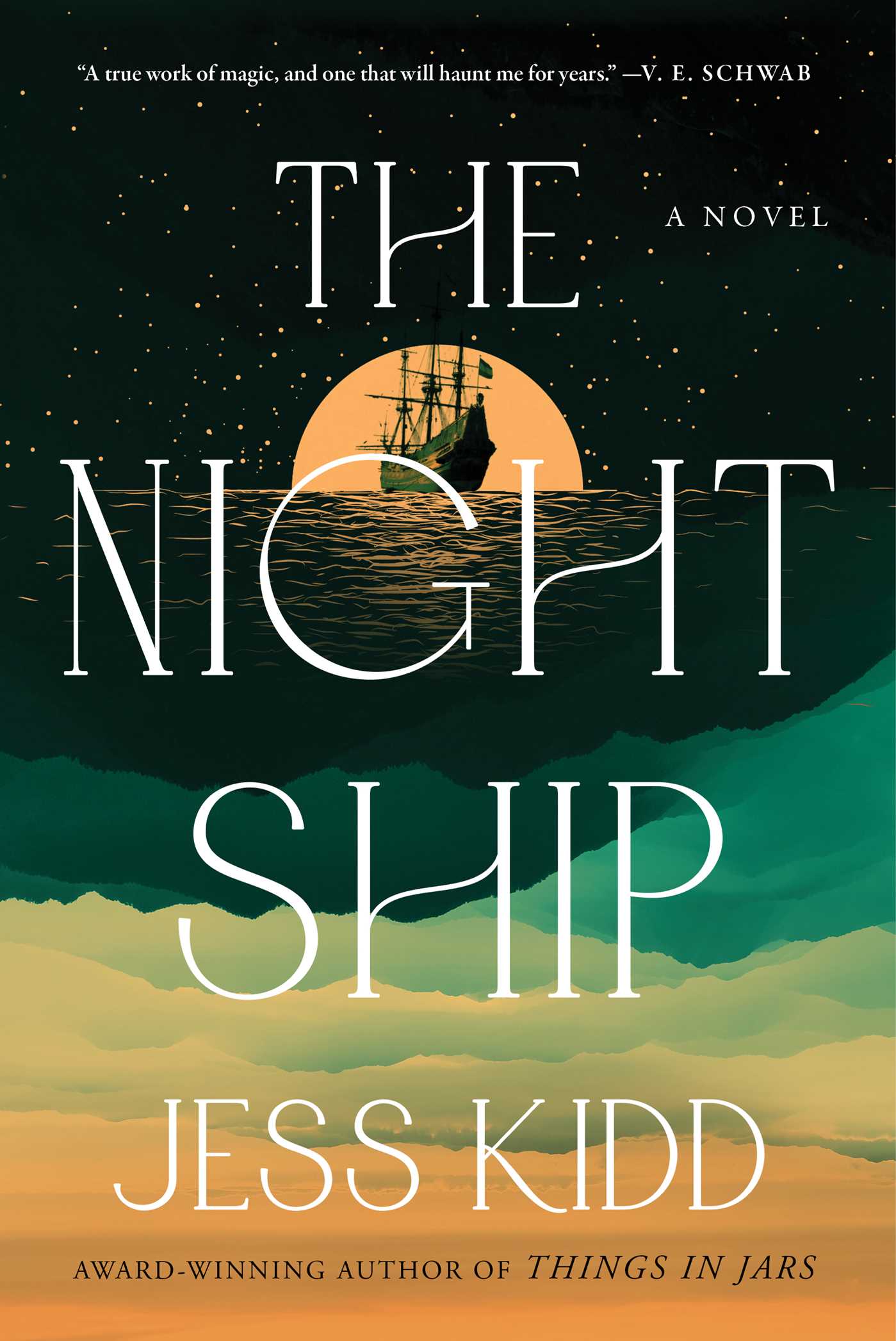
The Night Ship by Jess Kidd

book cover

“Come.” John Pinten turns and puts his palm against the hull. “Do as I do.”
Mayken crawls forward and puts her palm next to his, flat against the planks. She sees how much smaller and cleaner her hand is. Too clean for a cabin boy. But John Pinten doesn’t seem to notice.
“She’s all that lies between us and the deep dark fathoms of the sea.” John Pinten’s voice grows quiet, grave. “Can you feel the ocean pulling at the nail heads, pressing against the planks, prizing the caulking? The water wants in.”

Old superstitions are rife now. The sailors lead the way. Words must be chanted over knots. Messmates must be served in a particular order. A change of wind direction must be greeted. Portents are looked for and translated. The cut of the wake noted. The shape of clouds debated…A lamp taken down into the hold will now burn green. Monstrous births plague the onboard animals. Their issue is hastily thrown overboard to prevent alarm. Eyeless lambs. Mouthless piglets. A litter of rabbits joined together, a mass of heads and limbs. The gardener harvests fork-tailed carrots from his boxed plot outside the hen coop.
“It’s the way of long journeys,” says Creesje. “They alter what people think and see.”

1628 – Mayken van der Heuvel heads out on a long, exciting, but very dangerous adventure. She is setting sail on the grandest ship of the era, the Batavia, to a place by the same name, the capital of the Dutch East Indies. Well, in 1628, anyway. Today, we know it as Jakarta, Indonesia. Her journey is not being undertaken by choice, though. Mayken’s mother died giving birth to a child not her husband’s. The girl is being sent to her father, accompanied by a nursemaid, the kindly, but very superstitious, Imke. Mayken is nine years old.

There are many layers to this child: undergarments, middle garments, and top garments. Mayken is made of pale skin and small white teeth and fine fair hair and linen and lace and wool and leather. There are treasures sewn into the seams of her clothing, small and valuable, like her.
Mayken has a father she’s never met. Her father is a merchant who lives in a distant land where the midday sun is fierce enough to melt a Dutch child.

We follow Mayken’s adventures on this months-long journey across the world. But we know from the beginning that the ship will not complete its trip.

1989 – A nine-year-old boy has just endured a journey of his own.

Gil is made of pale skin and red hair and thrifted clothes. His shoes, worn down on the outsides, lend an awkward camber to his walk. Old ladies like him, they think he’s old-fashioned. Truck drivers like him because he takes an interest in their rigs. Everyone else finds him weird.

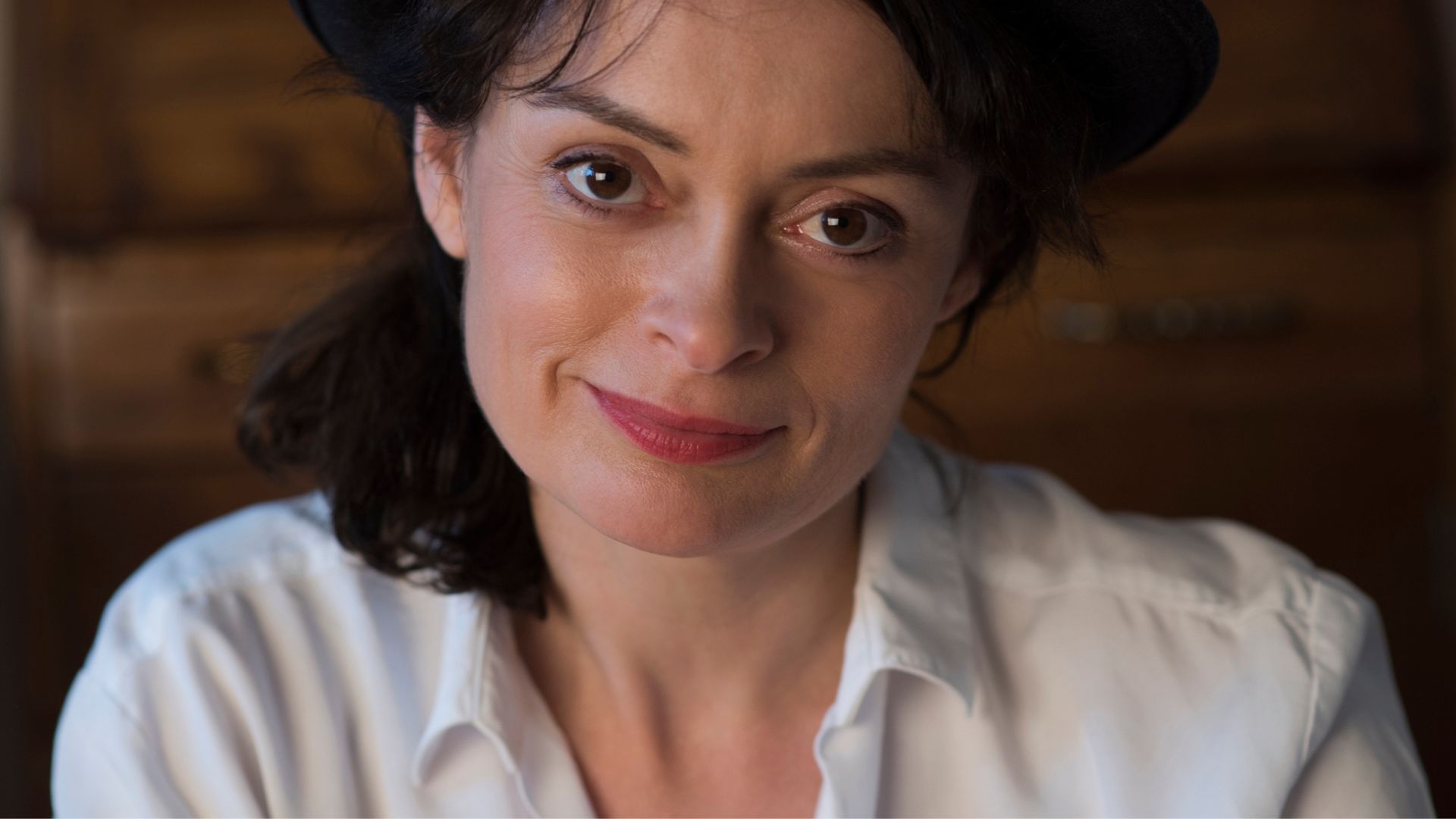
He never knew his father, and Mom kept them on the move all of his brief life, until her death. Gil has been sent to live with his crusty fisherman grandfather, Joss. To the place off the west coast of Australia where the off-course Batavia met its inglorious end. Researchers have been retrieving bits of the ship and its contents. The island is said to be haunted by the spirit of a young girl, Little May.

description
Jess Kidd – image from The Bookseller – by Cordula Tremi

Kidd learned about the Batavia while casting about for a subject for her next novel. I will leave you to explore the real-life story here in Wikipedia and in the Sea Museum site.

Mayken and Gil’s stories are told in alternating chapters. The duration of their experiences, however, is not the same. Mayken’s time on the Batavia is considerably longer than Gil’s, on what is now Beacon Island. Kidd handles this disparity well, so that difference is not obvious.

Mayken is a particularly curious and adventurous little girl, exploring and experiencing the ship with a range of partners, despite her caretakers preferring for her to be a demure, proper young lady. She has a talent for gaining trust and affection from those around her, both children and adults. It comes in handy. Being a child, she carries some odd notions with her, and is susceptible to things that challenge credulity. She is convinced that there is a mythical beast in the deep hold of the ship. (The eel creature was an ancient monster and foe of all humankind. Its name was Bullebak.) Is the evidence she spies of its existence sharp perception or childish imagination? Being the child of a wealthy household, she gains a lot more latitude from those in charge than a street urchin might, which allows her to get away with slipping away from the “Above World” of the deck and passengers to the “Below World” where the crew lives and works.

description
The Batavia replica was constructed between 1985 and 1995 at the Bataviawerf (Batavia shipyard) in Lelystad, The Netherlands. Image: Malis via Wiki Commons – image and text from Sea Museum

Gil is a lonely boy, who has seen little stability in his life, and more than his share of horror. Grandpa Joss is less than welcoming, (Gil’s mother had not exactly been a model daughter.) wants him to become a fisherman like him, an occupation to which Gil is ill-suited and strongly opposed. He finds a friend or two. Silvia, the young wife of an older fisherman (and hated rival to his grandfather) takes him under her wing. Dutch, an older deckhand, takes an interest in him as well. In addition, Gil acquires a companion of a different sort, Enkidu, a tortoise named for a bff from ancient literature.

There are challenges to survival for both Mayken and Gil, not just their initial de-parenting trauma and grief. In fact there is enough mirroring of their experiences for a carnival fun house. Both are, effectively, orphaned only children, with dead mothers and absent fathers, sent to live with relations after the death of their mothers. Both explore strange new places, with the assistance of those more familiar. Both have a belief in the reality of supposedly mythical beings, finding it easier to seek explanations for the world in cultural fantasies than in the awfulness of the humans around them. (The shadow-monster darkens and becomes solid. It is terrible. Slime slicks and drips over ancient barnacled scales. Eyes, luminous and bulging. Gills rattling venomously. A great, festering eel-king.) It is called a Bunyip.

Both are outsiders, in peril from people in their community. There is plenty more. But both come into possession of a stone with a hole in it, that is supposed to have special properties, a witch-stone, or hag-stone. The very same one. It is a link across three hundred sixty years, connecting their parallel experiences. As children, neither has control over much of anything, so they are both at the mercy of the adults around them, not all of whom are benign. With limited immediate familial resources, they are trying to create a kind of family for themselves.
description
This engraving depicts three scenes associated with the loss of the Dutch ship Batavia in 1629. Top: Batavia approaches the Houtman Abrolhos Islands off Western Australia at night. Lower right: the vessel aground on a reef with the crew in boats attempting to refloat it. Lower left: the state of the Batavia the next day, and the passengers and crew abandoning the ship. ANMM Collection 00004993

One of the wonderful things about this novel is the view we get of a lengthy ocean voyage in the 17th century.

The physical research helped. “Bumping my head about 400 times as I walked around the ‘Batavia’ replica, it really helped to get a physical sense of the life. The same with the island, walking around and seeing the barrenness and feeling the elements.” – from The Bookseller interview

The demise of the ship is terrifying, but not so much as the demise of civilization that follows for the survivors. Existential threats abound in 1989 as well, for Gil and others.

There are many compelling secondary characters. Several on the ship stand out, a soldier, John Pinten, the ship’s doctor, Aris Jansz, Holdfast, a denizen of the rigging, who snatches Mayken up. Imke the nursemaid is a fun addition, and Creesje, who looks to help Mayken going forward, is a warm, nurturing presence. Those surrounding Gil are likewise interesting. Gil’s colorful grandfather, Joss, goes through some changes. Dutch is a warm force, as is a researcher, on the island looking into the wreck.

While Mayken and Gil are entirely fictional, Kidd has populated her story with many of the actual people who were on the Batavia. The presence of those historical personages gives the events that take place in the novel even greater heft. The kids are very nicely drawn, and will engage your interest and sympathy.

description
Wallabi Island (left), Beacon Island (centre) and Morning Reef (right). Image: Hesperian with NASA satellite photos via Wiki Commons. – image and text from Sea Museum

Tension ratchets up for both Mayken and Gil. While we know the fate of the Batavia, we do not know the fate of all those she carried.

Unlike in her previous book, Things in Jars, which dealt very considerably with things fantastical, the unreality of the creatures May and Gil perceive is much more subtle. The creatures both claim to be real may or may not be. But both creatures serve admirably as metaphors for the awfulness of humanity.

While this may not be the best possible choice for reading on a ship-based vacation, it is a moving and fascinating read for landlubbers. Kidd writes with the touch of the poet, adorning her compelling, moving story with sparkling descriptive finery, while offering us a child’s-eye view of the most remarkable ship of its time, and telling a tale of doom. Both Gil’s and Mayken’s stories are strong enough masts to have sailed alone, but together they make a weatherly craft and catch a strong wind, easily speeding past potential story-telling shoals.

“How do you describe dread, Gil? That’s what the bunyip is: an attempt to give fear a shape.”
Gil thinks on this.
“Everyone’s fear looks different,” Birgit continues. “So everyone’s creature looks different. But they all eat crayfish, women, and children. That seems to be universal.”
“They’re just warnings for kids. Not to play near water or talk to strangers.”

Review posted – December 16, 2022

Publication date – October 18, 2022

I received an ARE of The Night Ship from Atria in return for a fair review, and a small, ancient piece of (maybe) bone, recently dug up in our back yard. Thanks, folks.

This review has been cross-posted on GoodReads

=======================================EXTRA STUFF

Links to Kidd’s personal, Twitter, Goodreads, Instagram and FB pages

Interviews
—–The Bookseller – Jess Kidd discusses her latest novel, new perspectives and maritime disasters by Alice O’Keefe
—–BNBook Club Jess Kidd discusses SCATTERED SHOWERS with Miwa Messer and Shannon DeVito – video – 41:28 – forget the title – they talk about The Night Ship

My review of an earlier book by the author
—–Things in Jars

Items of Interest
—–Wiki on The Batavia
—–Sea Museum – The Batavia
—–Wiki on Beacon Island
—–The Wayback Machine – Batavia’s Graveyard
—–Western Australian Museum – Batavia’s History
—–Dutch Folklore Wikia – Bullebak
—–American Museum of Natural History – The Bunyip
—–Wiki on Bunyip

Leave a comment

Filed under Fantasy, Fiction, Historical Fiction, Literary Fiction

The Witch and the Tsar by Olesya Salnikova Gilmore

book cover

Once war is on men’s minds, Selica had said, it festers within, claiming them.

For a soldier to let his enemy live despite the entrenched inclination to kill touched my heart with a flame. And as he looked out on our land, on the people dying and bleeding on it, no matter if they were Russian or Mongol, I saw pain, deep and endless and raw, open inside him like a ravine about to swallow us. There was light there, light that left me hopeful. Perhaps life, possibly even goodness, did exist, even in a soldier, and it prevailed in the world after all.

Baba Yaga, aka Bony Legs, has gotten a bad rap. Ivan the Terrible, however, deserves all the lousy press that can be heaped upon him. Terrible seems far too tame a word, The monstrous, the psycho-killer, the unspeakable, the mindless slayer of mankind, and on, and on, [insert your pejorative here]. (Of course, this is the portrait presented in the book. The real-life Ivan may have had cause for his paranoia, given the considerable opposition of the gentry to many of his policies. Find out more in this small piece in Britannica.)

description
Olesya Salnikova Gilmore – image from her site

The most common images of Yaga are of a frightening witch, tooling about in a strange vehicle, trapping and devouring children, and generally doing dirt to people, a personification of evil. But even in traditional lore, she is sometimes shown with a softer side, a healer instead of a tormenter, a consoler, a comforter instead of a horror. She has been seen as a personification of nature, a Slavic version of Persephone. She appears as a change agent in many stories, a trickster, helping the hero or heroine fulfill their quest.

description
Image from The House of Twigs

I had written two books that had gone nowhere. Totally uninspired, almost desperate, I turned to the Russian folktales I had grown up with as a child. Baba Yaga loomed large in these stories—her elusive and mercurial character, her enchanting chicken-legged hut, her terrific mortar and pestle mode of transport, her sharp tongue and fearsome appearance, unsurprising for a woman of knowledge living alone in the wood.
As it turns out, some scholars believe the Baba Yaga we know—the old, ugly hag from the fairy tales—is based on, or is a descendent of, a fertility and earth goddess worshiped by ancient pagan Slavs. I was instantly fascinated by how a goddess could become a witch and just knew I had to write a book not about the infamous hag, but about the little-known woman named Yaga.
– from the Writer’s Digest interview

description
A painting portraying Baba Yaga. According to Slavic folklore, Baba Yaga was a witch who often preys on children to eat them. However, some accounts present her as a wise and helpful creature. The painting was created in 1917 and is now located at the House Museum of Viktor Vasnetsov in Moscow.

Gilmore is looking to give Yaga some better press, make her more human in some ways, more of a bad-ass superhero in others. She has a team, of course. (Y-men?) The house on chicken legs that is the very definition of creepy, has been transformed into Little Hen, a supportive, nurturing friendly character who might have been the original mobile home. When Yaga speaks to Little Hen she regards her as somewhere between a beloved pet and a partner. Dyen (meaning day) is a considerable wolf. He (thankfully) is Yaga’s primary means of high speed transportation, while also offering his considerable fierceness. Noch (meaning night) is an owl. Noch specializes in reconnaissance and intel-gathering. They share Yaga’s immortality.

description
Xénia Hoffmeisterová [cs], Ježibaba [cs] (2000)

As a provider of potions for this and that, Yaga has a following. Among those is the tsar’s wife, the tsaritsa, whom she has known for a long time. She is suffering from an illness that the court physicians cannot seem to touch. Yaga helps her out, but suspects foul play. Although she would prefer to remain safely in her house in the woods, she must go to Moscow to find out who is doing this to Anastasia Romanovna, a kind, sweet young woman. It would appear that Yaga and crew are not the only immortals wandering about. The tsar has fallen under the influence of a dark-hearted ageless sort, someone Yaga knows. And the game is afoot.

description
Image from King Edward’s Music

Tsar Ivan is not exactly the best administrator, and it is not long before he is laying waste to large swaths of the country, under the guidance of a dark force. Whether getting there because of his genetic inheritance, or because his mind had been poisoned by a demonic sort, (The actual Ivan was quite superstitious, taking an interest in witchcraft and the occult.) Ivan, who seems at least somewhat rational when we meet him, is soon barking mad, seeing enemies everywhere, even among friends, and showing no hesitation about slaughtering anyone who displeases him. Yaga loves her Mother Russia and considers it her patriotic duty to defend her against enemies foreign and domestic. Ivan definitely counts among the latter. So, superhero vs supervillain.

description
Ivan Bilibin, Baba Yaga, illustration in 1911 from “The tale of the three tsar’s wonders and of Ivashka, the priest’s son” (A. S. Roslavlev)

There are levels of existence here with diverse characteristics, lands of the dead and living, a glass mountain, with spells aplenty. Yaga’s adventures might remind you of western mythology and Campbellian quest forms having to do with descending to hell in order to emerge better armed to take on whatever. Yaga needs help from other immortal sorts to accomplish her mission, which becomes pointedly clear later in the book. In the shorter term, she is faced with carnage in Russia, and trying to find ways to stop or even just slow it down.

description
Baba Yaga depicted in Tales of the Russian People (published by V. A. Gatsuk in Moscow in 1894)

There is even a bit of romance to counterbalance some of the considerable blood-letting.

After I had witnessed my first birthing not ten years into my life, Mokosh had explained to me the intricacies of lovemaking and child making. “Though immortals can birth other gods and half gods,” she had said, gently, “it is not simple for us, with mortals above all. Most of the time, it happens not. It is even harder for half gods. If it happens, it does so for a reason. It is willed by the Universe.” I had known many men over the centuries, both mortal and immortal. Not once had my trysts ended in anything other than fleeting pleasure or pointless regret. I knew it would never happen for me.

But then she meets Vasily Alekseyevich Adashev, studly warrior, but mortal, which is a problem. It gets complicated. He is probably in his 20s or 30s, she is several hundred. (Baba Cougar?) It is a delightful element.

This is a time of transition in Russia, when the old gods were being replaced by the Christian invader. But local loyalties were sometimes with the old and sometimes with the new. Yet, the old gods were still actively interfering in human activities. Getting a look at such a tumultuous period in Russian history is one of the bonuses of this book.

description
Image from Meet the Slavs

The view of reality Gilmore presents is informed by her childhood exposure to Russian mythology. She was born in Moscow and spent her early years there. Fairy tales from childhood figure large, particularly stories set in Old Russia. (Gilmore would have included even more, but maybe in some future work.) Setting her tale in medieval times felt right, which led to focusing on Ivan as THE medieval tsar. It helped that he made an ideal villain, given his location in history, his interest in the occult, and his apparently mass murderous sociopathy. What makes a guy go there?

This being a book by a Russian-born author, about Russia, you can expect that many characters will be referred to be multiple names. And it can be tricky discerning the good Ivans, Vasilies and Alexes from the bad ones. I read an ARE, so cannot say if the final print (and epub) versions contain character lists. If your copy lacks one, you might want to start your own. My minimal gripes about the book have to do with the attention required to keep everyone straight, and a need for a primer on the structure of everything in Old Russian lore. How many layers of afterlife are there? How does one move from to another? It can be eye-crossing keeping this in order.

description
Image from Amino Apps

That said, I found The Witch and the Tsar a delightful, satisfying read. Yaga was a very appealing character. Gilmore has succeeded in making her relatable, and her companions appealing. The devastation wrought by Ivan and those driving him provide all the motive force anyone might require to do everything possible to stop it, which gives us a lot to root for. The romantic element is a nice touch. Added payload on Russian history, folklore, and old religion is most appreciated. I have provided a few links in EXTRA STUFF to more about Yaga in folklore. I urge you to check those out. Baba Yaga may have had plenty of unpleasant things written about her, and many a hideous image created, but in The Witch and the Tsar, Yaga is looking pretty good.

Mother had taught me the immortal side of earth magic, of doing without awareness, without feeling. With Dusha, I learned to listen to the natural world around me, not only to the sky, the trees, the waters, the very air, but also to myself.

Review posted – 11/25/22

Publication date – 9/20/22

I received an ARE of The Witch and the Tsar from Ace of Berkley of Penguin Random House in return for a fair review. Thanks, folks, and thanks to NetGalley for facilitating.

This review has been cross-posted on GoodReads

=======================================EXTRA STUFF

Links to the Gilmore’s personal, FB, Instagram, and Twitter pages

Gilmore is hard at work on her next novel, with a draft due to her editor in September. This one will be a gothic, set in the 1920s, after the revolution. Two sisters confront their past in their old ancestral house in Moscow. Pub date TBD.

Interviews
—–Malaprop’s Bookstore & Cafe – The Book of Gothel: Mary McMyne in convo with Olesya Salnikova Gilmore – video – Gilmore reads from the beginning of her book – 0:00 to 21:48. Mary McMyne then reads from her book – to 39:43. Then Stephanie Jones-Byrne interviews them from about 40 minutes
—–Writer’s Digest – Olesya Salnikova Gilmore: On Introducing Russian History to Fantasy Readers by Robert Lee Brewer
—–Paulette Kennedy – DEBUT SPOTLIGHT: Olesya Salnikova Gilmore

Items of Interest from the author
—–Paste Magazine – excerpt
—–discussion guide from her site

Items of Interest
—–World History Encyclopedia – Baba Yaga
—–Literary Hub – Baba Yaga Will Answer Your Questions About Life, Love, and Belonging by Taisia Kitaiskaia
—–Britannica on Ivan the Terrible

Leave a comment

Filed under Fantasy, Fiction, Historical Fiction, Literary Fiction

Other Birds by Sarah Addison Allen

book cover

“There are birds, and then there are other birds. Maybe they don’t sing. Maybe they don’t fly. Maybe they don’t fit in. I don’t know about you, but I’d much rather be an other bird than just the same old thing.”

“If the people around you don’t love you just as you are, find new people. They’re out there.”

What happens to the untold stories? Two of my grandparents were in vaudeville at some point, yet I know almost nothing about that. Any materials passed down found its way to relations other than me, to my aunt’s family perhaps, or maybe through my mother to my older sibs, sisters in particular. I had always intended to speak with my sister Loretta about Grandma Anna, but she passed away before I got to it. The wages of procrastination, and surprise illnesses in old age. What happened to that story? What was my grandmother’s life like when she was in Show Biz? What artifacts might there be from that era that might tell us something? I expect I will never know. What happens to that history? Does it cease to exist if no one remembers. Is it not our duty as children, grandchildren, descendants, to keep alive something of our family heritage? Because whether we are aware of the events of prior eras or not, they have had an impact on us. History ripples forward in time and we are all riding its waves or are swamped by them.

description
Sarah Addison Allen – from her FB pages

The characters in Sarah Addison Allen’s Other Birds are grappling with their pasts. Zoey Hennessey is eighteen years old, an innocent, with a heart open to everyone. Starting college in Charleston soon, she wanted to spend some time at the condo that her mother had left her. Paloma used to bring her here for weekends and getaways. It carries the warmth of those memories. Mom had died when Zoey was a child. Her father did not have anything good to say about her, and her step-monster was not exactly her number one fan.

It is one of five units in a tucked-away development on Mallow Island, off the coast of South Carolina. The area had been made famous by a world-class novel, Sweet Mallow, written fifty years ago by the rarely seen Roscoe Avanger. Think To Kill a Mockingbird. The island is also famous for the product that it is named for.

If she hadn’t known that Mallow Island had been famous for its marshmallow candy over a century ago, Trade Street would have told her right away. It was busy and mildly surreal. The sidewalks were crowded with tourists taking pictures of old, narrow buildings painted in faded pastel colors. Nearly every restaurant and bakery had a chalkboard sign with a marshmallow item on its menu—marshmallow popcorn, chocolate milk served in toasted marshmallow cups, sweet potato fries with marshmallow dipping sauce.

Zoey has a companion no one else can see, Pigeon, a bird, who is fond of knocking things over.

Charlotte Lungren, 26, is a henna artist, with a space at the Sugar Warehouse, a local artists enclave. Her mother had been a real prize, joining a religious cult led by a thieving sociopath, which was not a healthy environment for a teenager. Charlotte fled when she was 16 and has been on the run, in one way or another, ever since.

Nice, in her experience, meant one of two things: It was either hiding something darker just beneath the surface, or it made you lower your defenses and believe that there was more of it in the world than there actually was, which always led to disappointment. Either way, she wasn’t falling for it.

Frasier manages The Dellawisp Condos, named for the peculiar, turquoise birds that inhabit the grounds. When Zoey arrives, what she sees is an elderly black man in faded jeans and a khaki work shirt. He had a long white beard tied at his chin with a rubber band, like a pirate. He has an interesting personal characteristic that has made his life unusual.

After passing away, sometimes his friends would visit him before leaving this earthly world. It had been happening all his life, and what had been a terrifying experience for him as a boy no longer surprised him. It was usually just a brief encounter—a sparkle out of the corner of his eye, a gust of wind in an airless room, a particular scent.
But there were some, out of fear or confusion or unfinished business, who stayed with him longer.
And of course Lizbeth would be one of them.
She was here in his office with him and he sensed her impatience, like she was wondering where something was.

The ability to sense the dead was handed down. His grandfather had not fared well with it and took to drink to drown out the spirits. They have served Frasier in some positive ways.

Mac Garrett is a chef at the local resort. He had a tough childhood, abandoned by his mother. Luckily for him there was a neighborhood saint of a woman, Camille, who took it upon herself to feed the two-legged strays in her neck of the woods. Seeing that Mac had essentially been orphaned, she took him in. It was from her that Mac learned that food is love. It became a lifelong passion for him, as Camille’s cooking always came with associated stories. Mac is a lovely, loving man who has some difficulties in the bedroom. No, not that sort. Seems he wakes up every morning covered in cornmeal. A reminder of presence from his late foster mother.

Lizbeth Lime (no relation to Liz Lemon) had issues. She was a hoarder, but with a story to tell. Problem is that she was never able, amidst all the clutter, to locate the diaries that held the tale she needed told. A bookcase falls on Lizbeth on the day of Zoey’s arrival, which leaves another spirit wandering the premises. Her sister, Lucy Lime lives in a separate condo. The sisters had been, to put it mildly, not close. Lucy serves as a Boo Radley figure here, mostly seen peeking out from behind her curtains, watching, always watching, but never engaging.

Oliver Lime has done his best to get as far away from his mother, Lizbeth, as possible. But when she dies, he is dragged into dealing with what she left behind.

Misfits all, in their own way, at the very least, ill-suited to the prescribed routes laid out for them. It is in The Dellawisp Condos that they find a family. The process of how this happens is simply magical. They have to come to terms with their pasts in order to move forward with their lives. It remains to be seen whether they are all capable of doing that.

Allen intersperses chapters titled Ghost Story, in which Lizbeth, Camille, and one other fill us in on backstory for our front-line characters. The ghosts tend to be of a maternal sort.

There are some excellent twists, and some mysteries to solve, like who is that shadowy figure who keeps showing up overnight at the Dellawisp and breaking into the condos? Long-held secrets are revealed. And some long-suppressed family stories are brought out into the light.

There is an element of wistfulness, of wanting to connect, that is surely enhanced by the author’s personal experiences. Her mother suffered a major stroke, managing to hang on for several years. But Allen’s sister died only days before their mother passed. Add in that Allen is, herself, a cancer survivor, and you can see some very personal investment in stories about connecting with lost loved ones. It helps explain why there are a passel of moments near the end of the book that are tear-inducing.

I truly enjoyed Other Birds, looked forward to reading it every day. There are some lovely characters in here, people you will enjoy getting to hang with, however briefly. Allen applies magical realism to great effect, illuminating the conflicts the characters are confronting. In addition, there is also a payload of wisdom about finding or creating one’s tribe, the significance of hanging on too long or too hard to the past, and the importance of learning our history and carrying forward our stories. Other Birds is a very sweet satisfying read

We got wings we can’t see, Camille used to say. We were made to fly away.

Review posted – September 30, 2022

Publication date – August 30, 2022

I received an ARE of Other Birds from St. Martin’s Press in return for a fair review. Thanks, folks, and thanks to NetGalley for facilitating.

This review has been cross-posted on GoodReads. Stop by and say Hi!

=======================================EXTRA STUFF

Links to the author’s personal, FB, Instagram, Pinterest, and Goodreads pages

Interviews
—– Barnes & Noble – #PouredOver: Sarah Addison Allen on OTHER BIRDS by Allison Gavilets – Video – 46:06
—– Barnes & Noble – transcription of the B&N interview

Items of Interest
—–Reading Group guides – Reading Group Guide
—–Macmillan – Reading Guide

1 Comment

Filed under Fantasy, Fiction, Romantic Comedy